Nikhil Tailang

This 0-1 product was created
in response to these observations

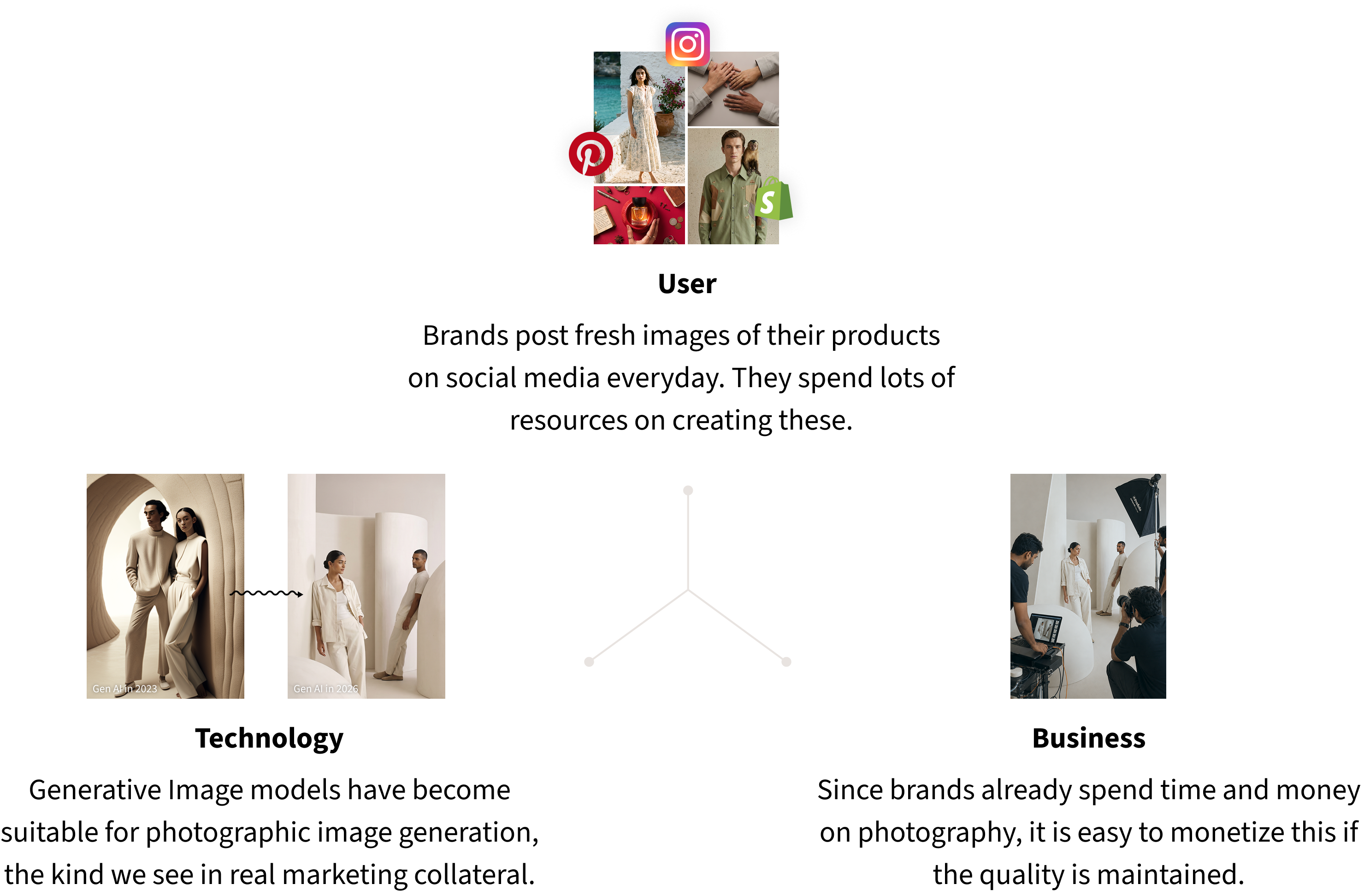
User, Technology, and Business observations

Who is this for?

Small business owners

Individuals or small teams (less than 10 people) that sell physical products and manage most aspects of their business themselves, including product design, marketing, ecommerce, and customer acquisition. They typically have limited budgets, limited access to professional photography resources, and need to create visual marketing content quickly and frequently. Today, they have to spend anywhere between USD 15 to 500+ per image, and 3 to 7 days per photoshoot according to their brand aspiration.

Common businesses that meet this criteria sell ↓

  • 👗

    Apparel

  • 💍

    Jewelry and Accessories

  • 🎨

    Handicrafts and Art

  • 🧴

    Soaps, Creams and Lotions

  • 🧁

    Baked Goods

  • 🥒

    Snacks, Kombucha, Pickles

  • 🪴

    Home Decor

  • 🏺

    Ceramics

  • 🧸

    Toys

  • 🕯️

    Candles and Fragrances

To begin with, I chose to focus on

Apparel Brands

New items produced frequently

As a trend-sensitive category, brands are always producing new items. As a category where visuals drive purhcase decisions, they need photographs for all those items.

High SKU counts

Brands often sell the same design in multiple colors, sizes, and variants. Every item needs consistent photography.

Heavy competition

Heavy competition within the category means brands have a large ad spend. They also need to consistently maintain brand visibility. New visual content is needed regularly to fulfil both these objectives.

Need various types of photos

For a single product alone brands need listing photos, lifestyle and editorial images for social media and marketing, images for section headers on websites, offers and ads, email newsletters, blogs and some times printed standees.

AI-powered product testing

AI image generation and editing combined with digital advertising has enabled many apparel brands to test new designs or even new markets with photographs before actually manufacturing items or variants.

Problems

Small brands lack the budget, time, and know-how to produce professional photography as often as they truly need.

But they still want a unique, recognizable visual voice in everything they put out.

Problem 1

“We want high quality photos but we don't have the budget for professional photoshoots everytime we need pictures”

  • Young brands have limited budgets that they want to spend on new product development, and discovering their product-market fit.
  • Social media moves so fast that photos are outdated within hours of being posted. The time and cost of production is simply too high for how briefly an image stays relevant.
  • Small-brand owners resort to DIY shoots with limited props. The result is repetitive images that cannot compete with the variety that big brands put up in front of the same customers.

Problem 2

“I know what my brand should look and feel like, but I don't know what kind of photography will give me that look"

  • Small brand owners struggle to identify what specifically makes an image feel like their brand, making it difficult to define a distinctive visual identity.
  • Even when founders have a strong sense of design, or consult with a designer once, that taste cannot be communicated reliably to photographers, agencies, or AI tools on an ongoing basis.
  • Every new photo is created using different references, trends, and ideas, making the brand produce inconsistent imagery, making it hard for customers to recognize and remember.

Requirement

A solution that understands a brand's vibe and quickly transforms basic images of their products into on-brand, professional-quality photoshoots.

The problem with

Existing AI Tools

AI image generation tools have gotten good enough to be used for generating images that can be used in marketing collateral. But most existing tools are geared toward designers and art directors. These models require prompt engineering or complex setup to achieve good results.

They fail for small brand owners for the following reasons:

Prompt-based systems require expertise

Require having a creative vision and being able to translate it into descriptive text that the model responds to.

Multi-turn chat is time consuming

Easy to start with and also give some ability to edit images, but needs time and patience.

Node-based workflows are not maintainable

Too complex to set up, not easily editable and hard to update for our users.

Solution

With the PhotoLotus app,
I created a two-part solution that solves key problems

Tappable Styles

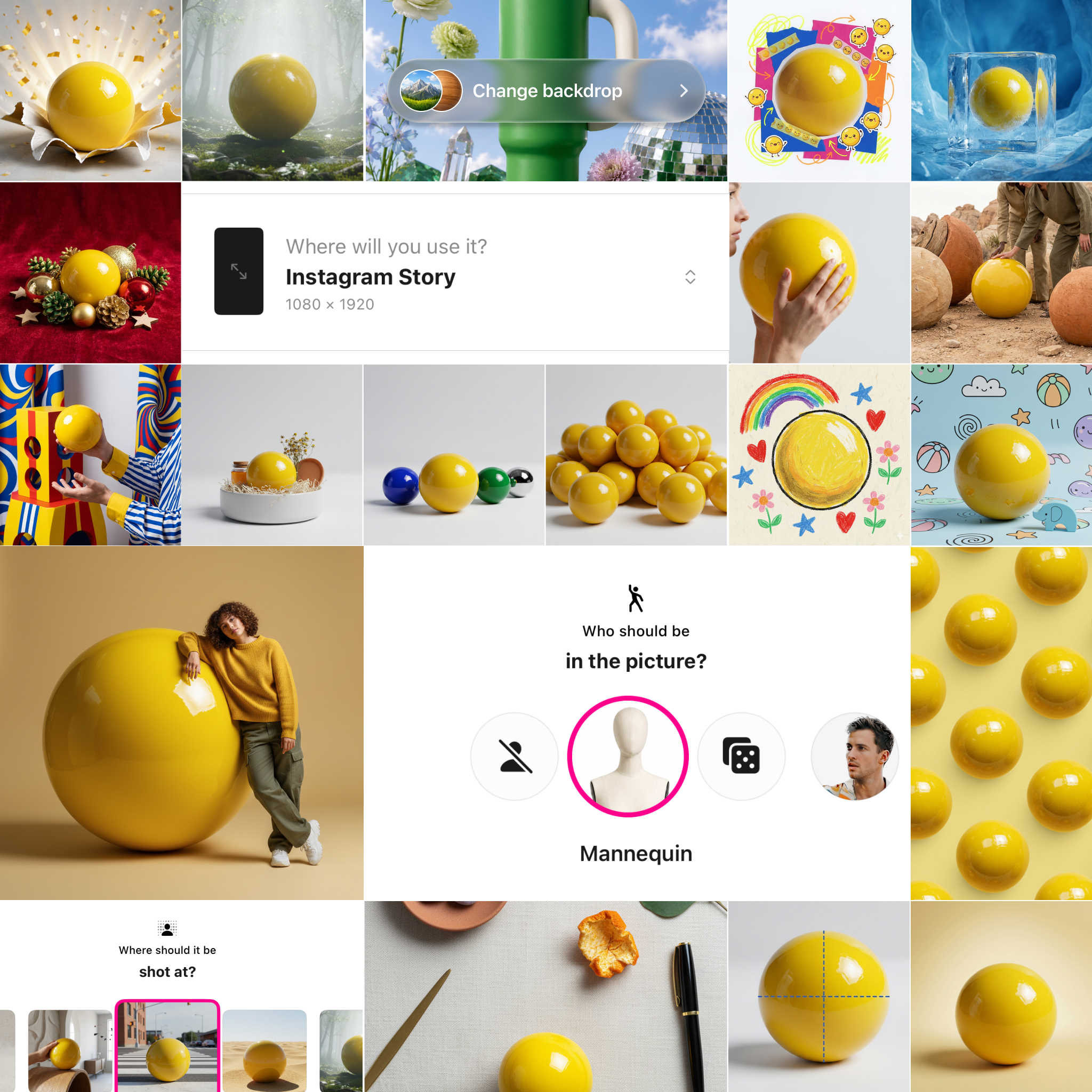
Presets and UI controls that turn intuitive choices into composable prompts, making art-director-level prompting accessible while letting users choose as much or as little control as they want.

Brand Vibe Agent

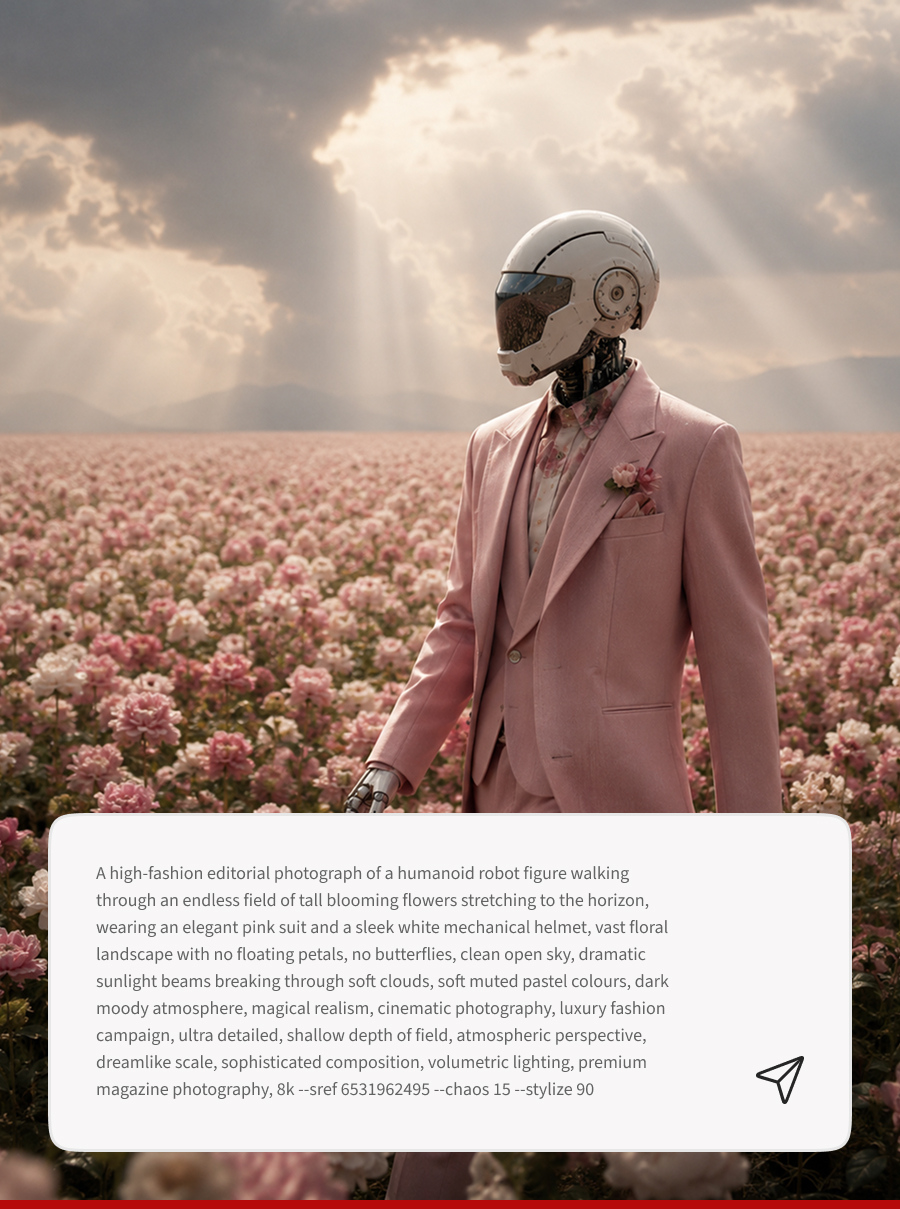
An AI agent that understands the visual vibe of a brand from its website, products, or moodboard images, and creates unique reusable photography styles and campaign briefs.

Tappable Styles

I designed a modular system that turns art-direction decisions into composable prompts, exposed as one-tap photography styles and interactive controls.

Seeing visual thumbnails and choosing through simple options enables our users to:

turn basic phone camera photos into professional, art-director-style photos,

quickly,

at a fraction of the cost, and

without having to learn how to prompt.

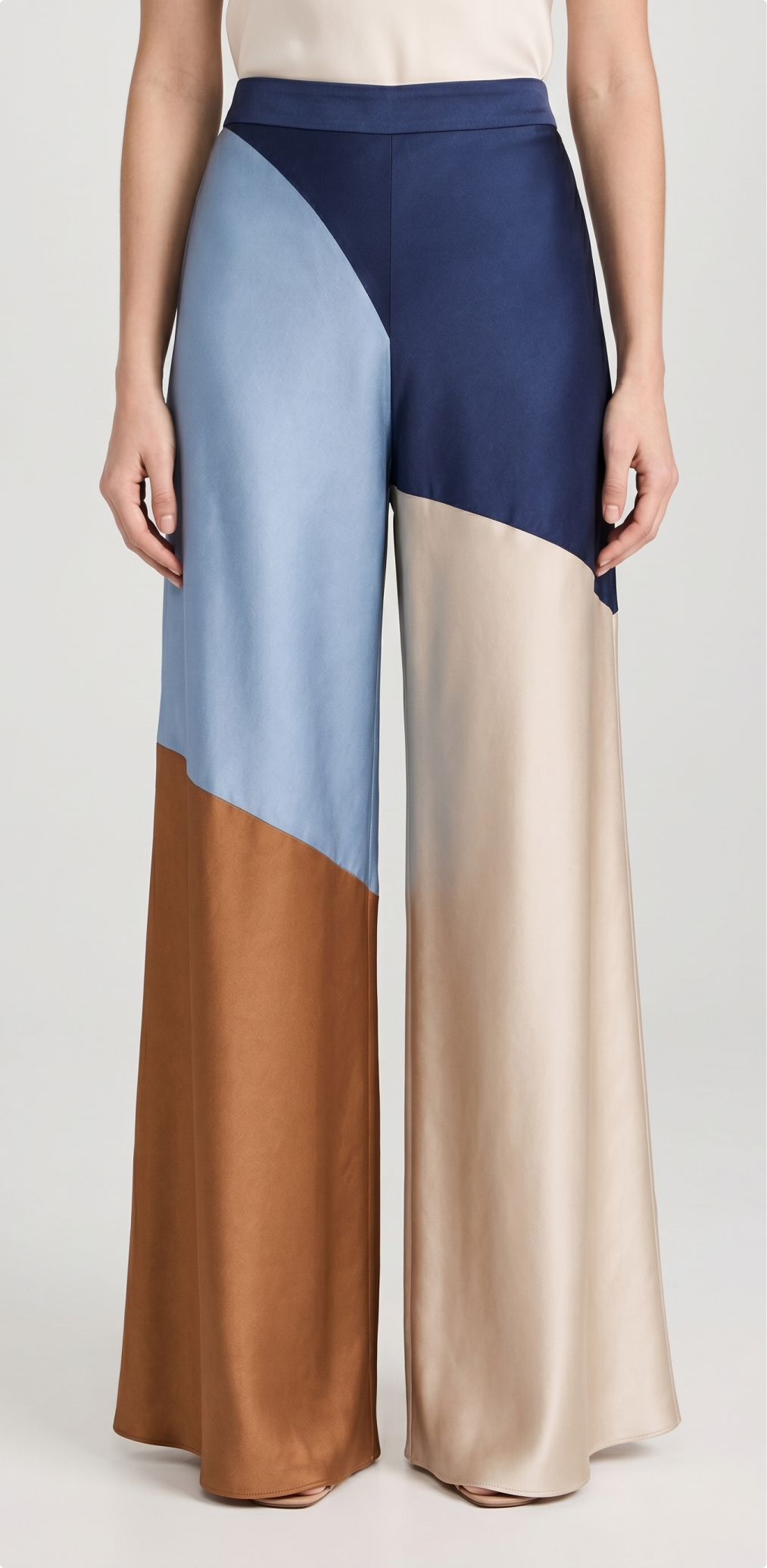
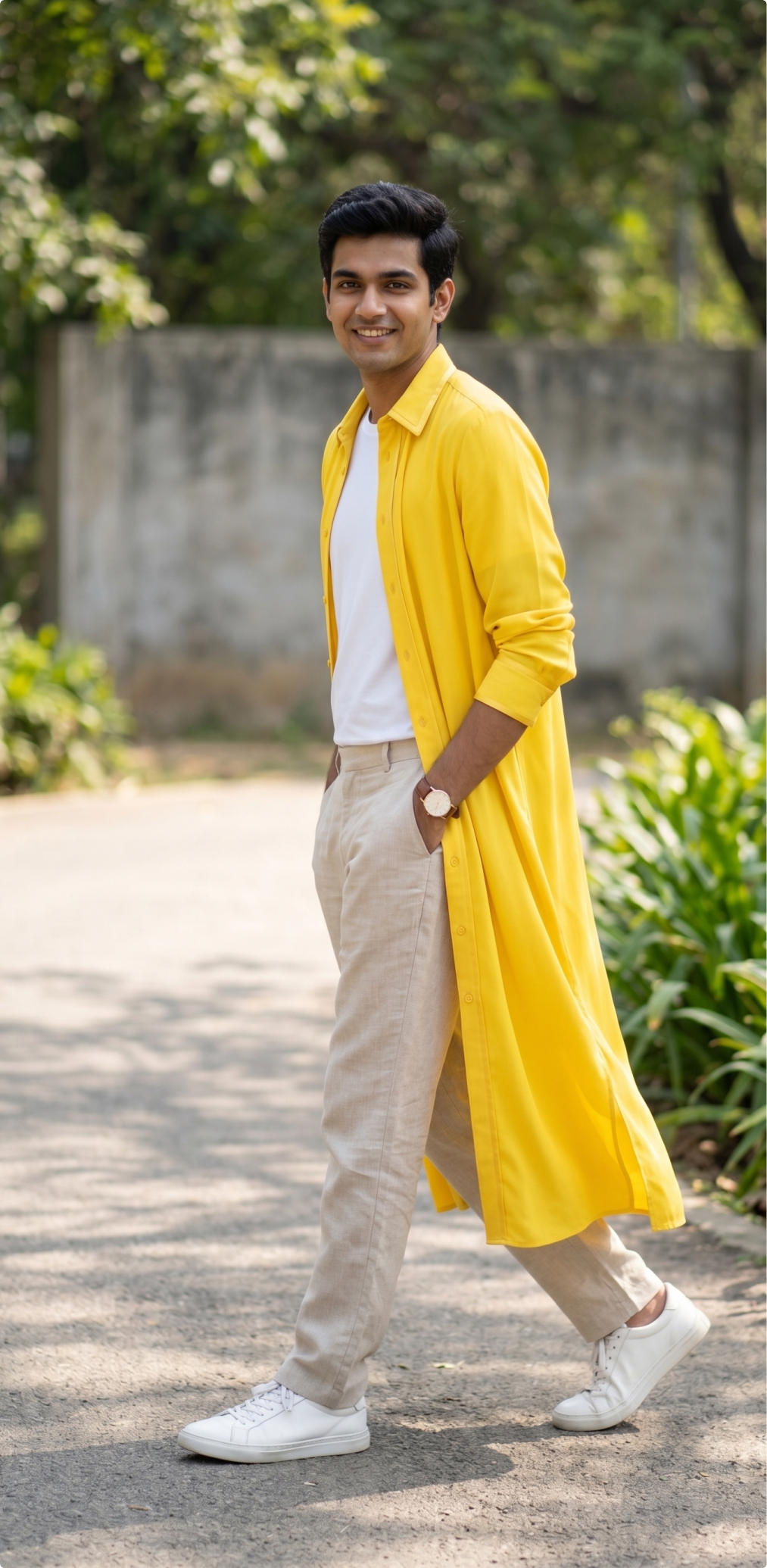
Soft Flatlay

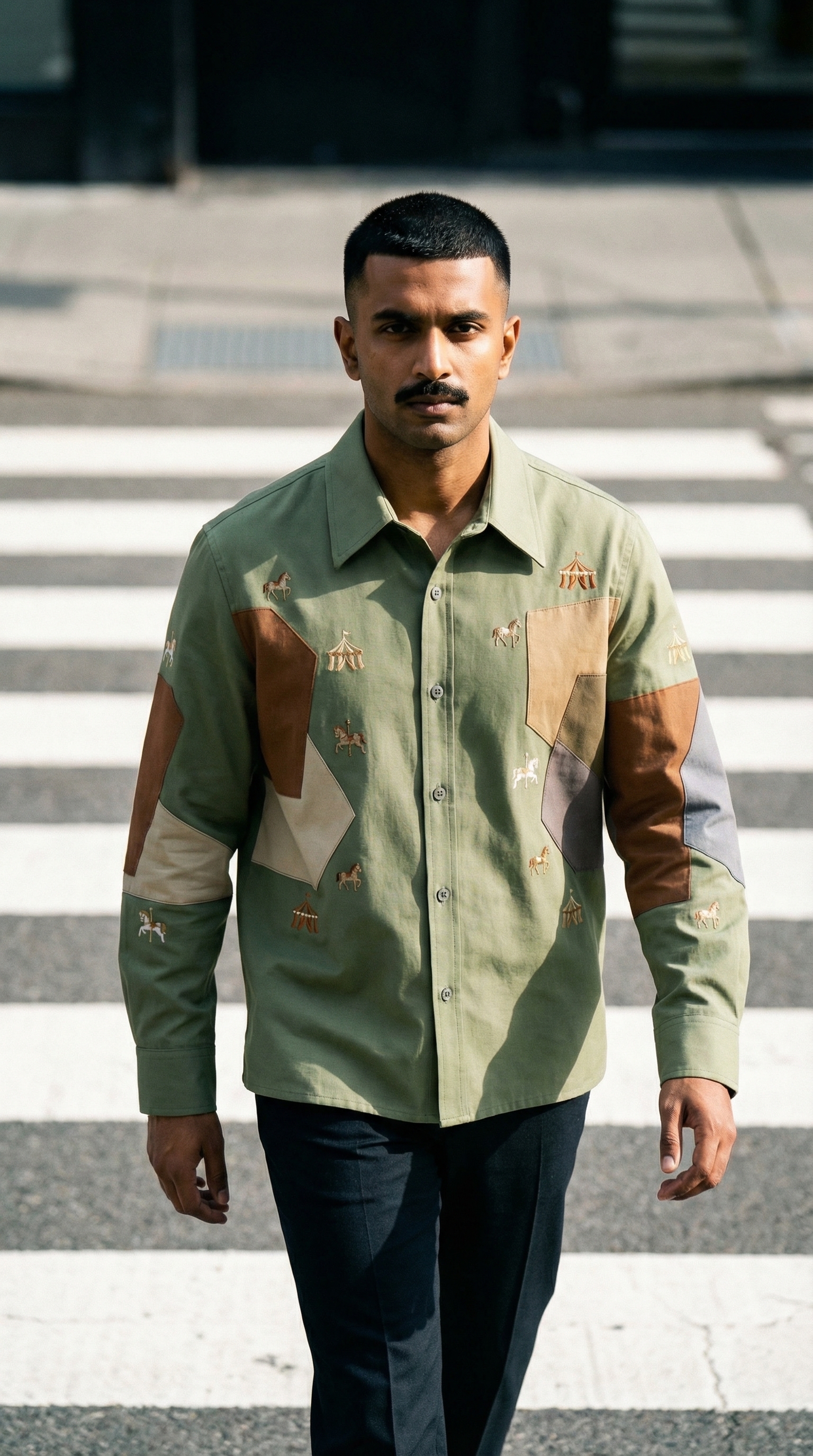
Out and About

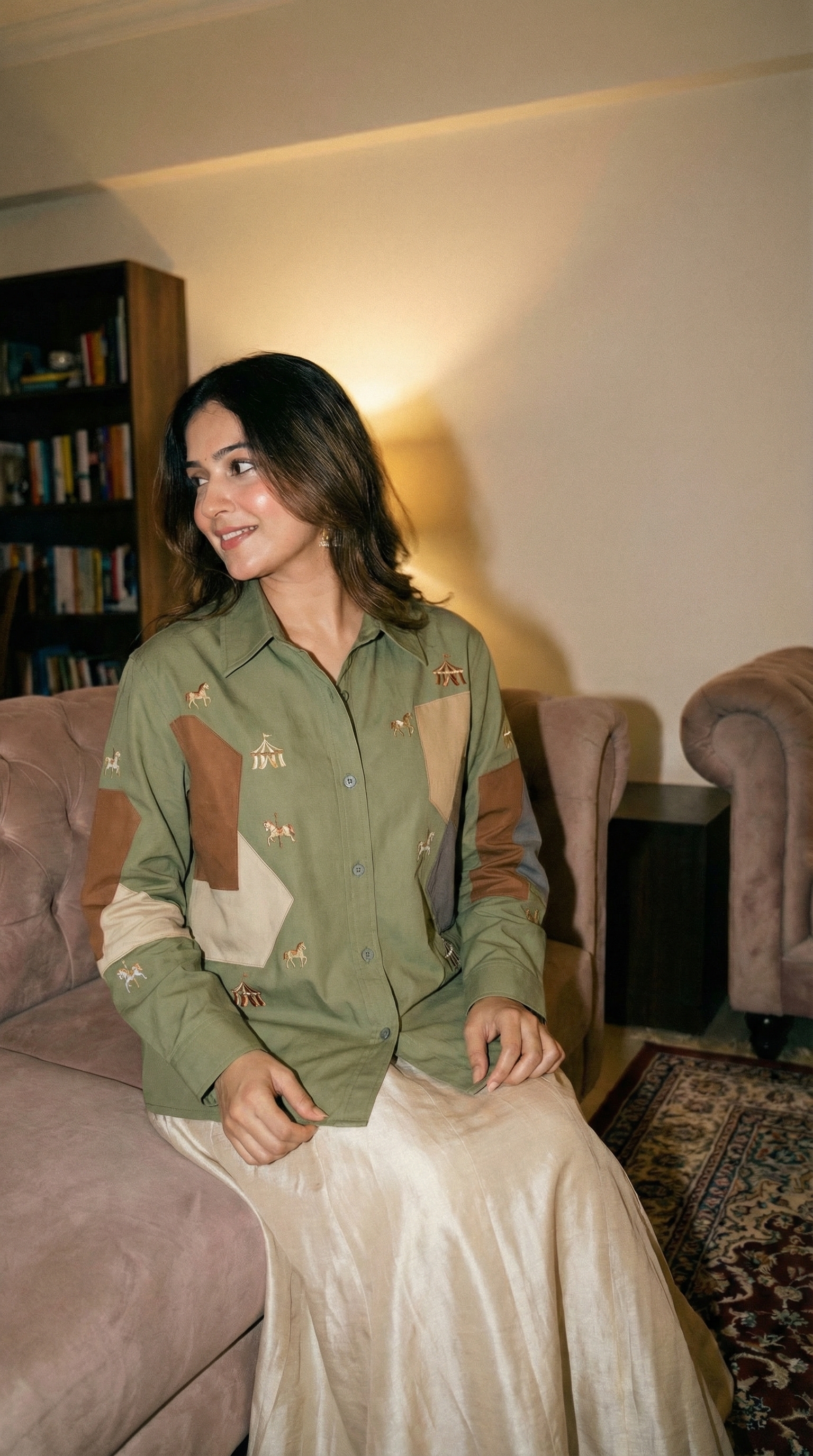
Basic Front View

Indoors

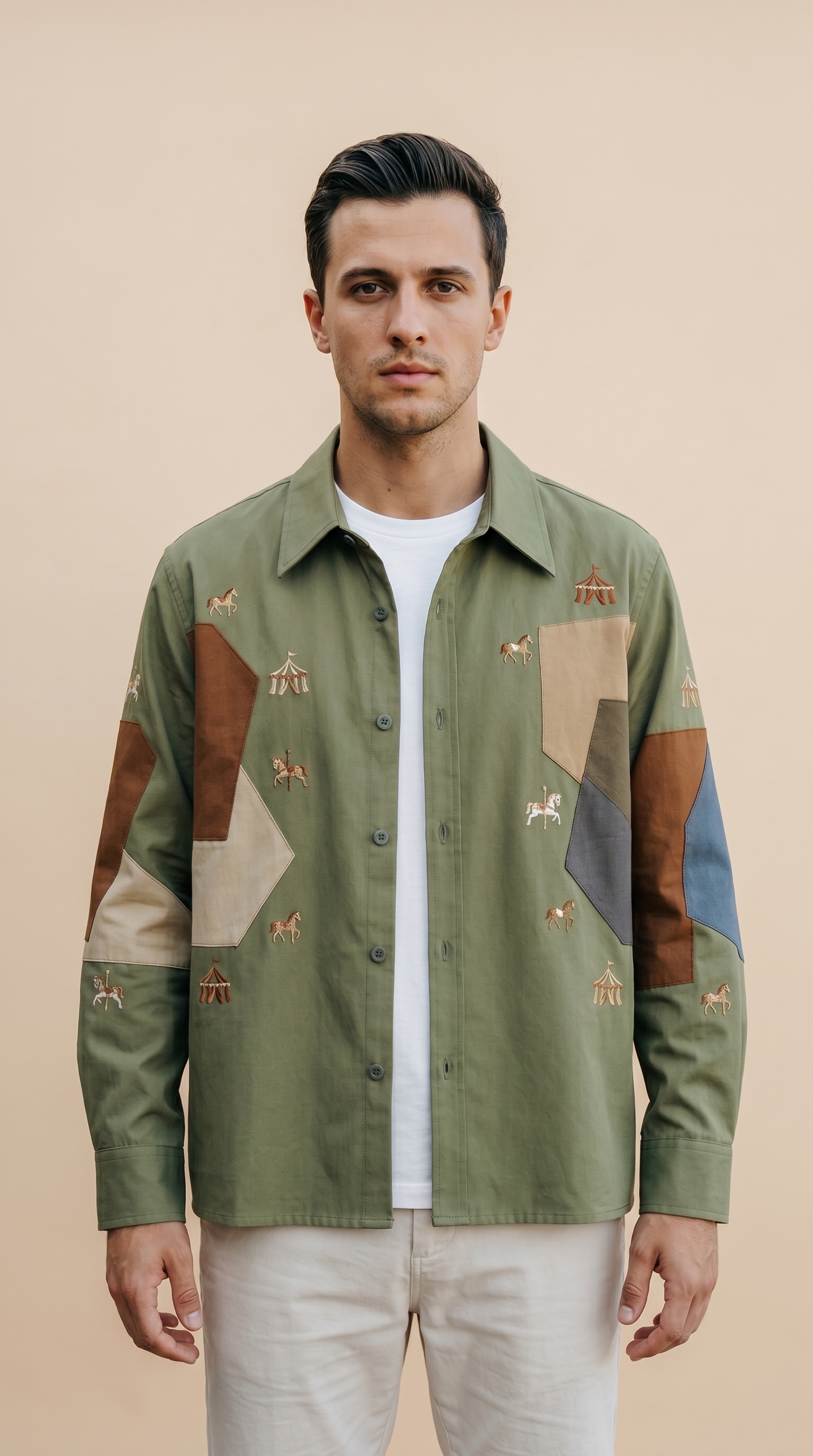
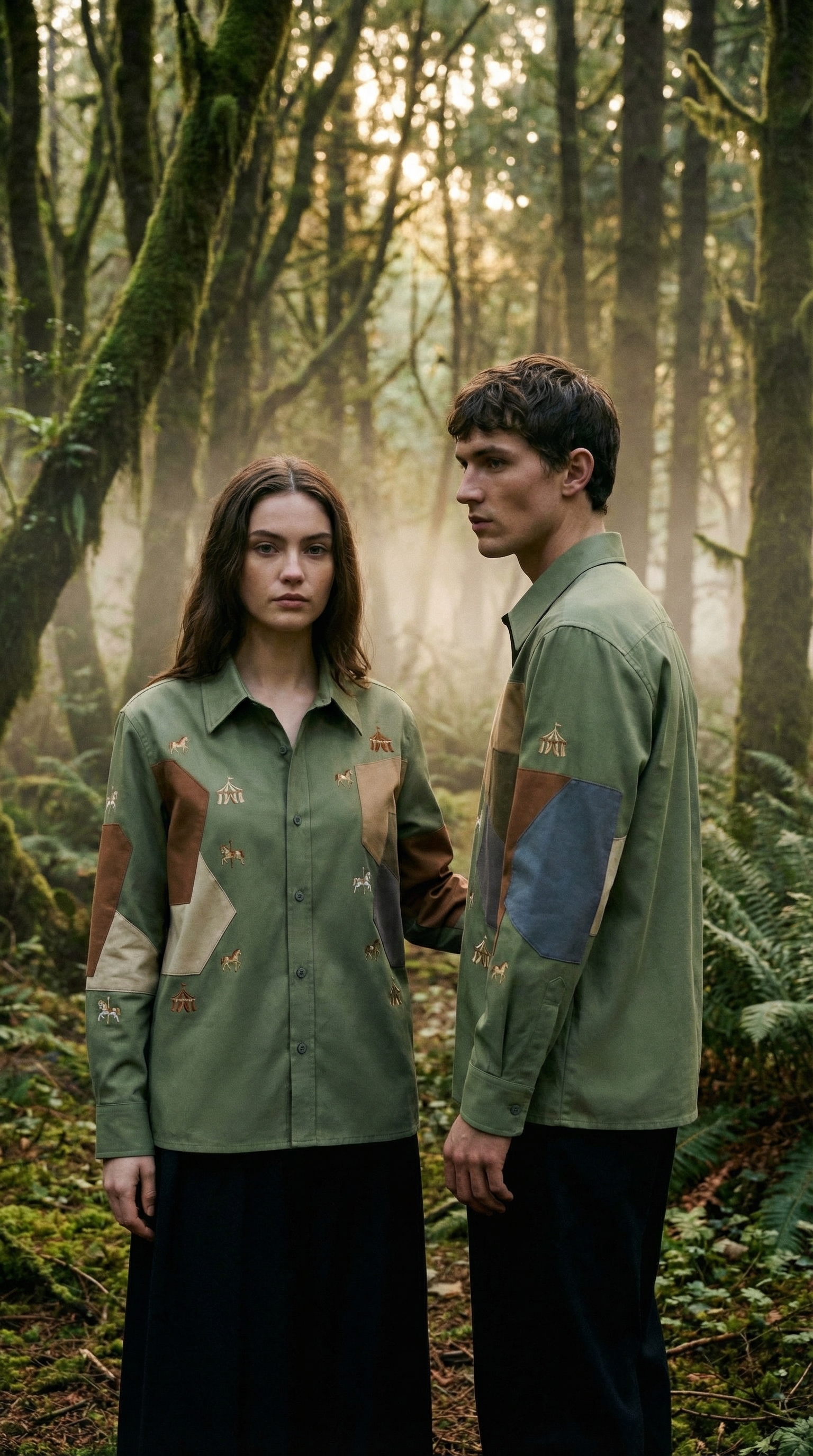
Mystical Forest

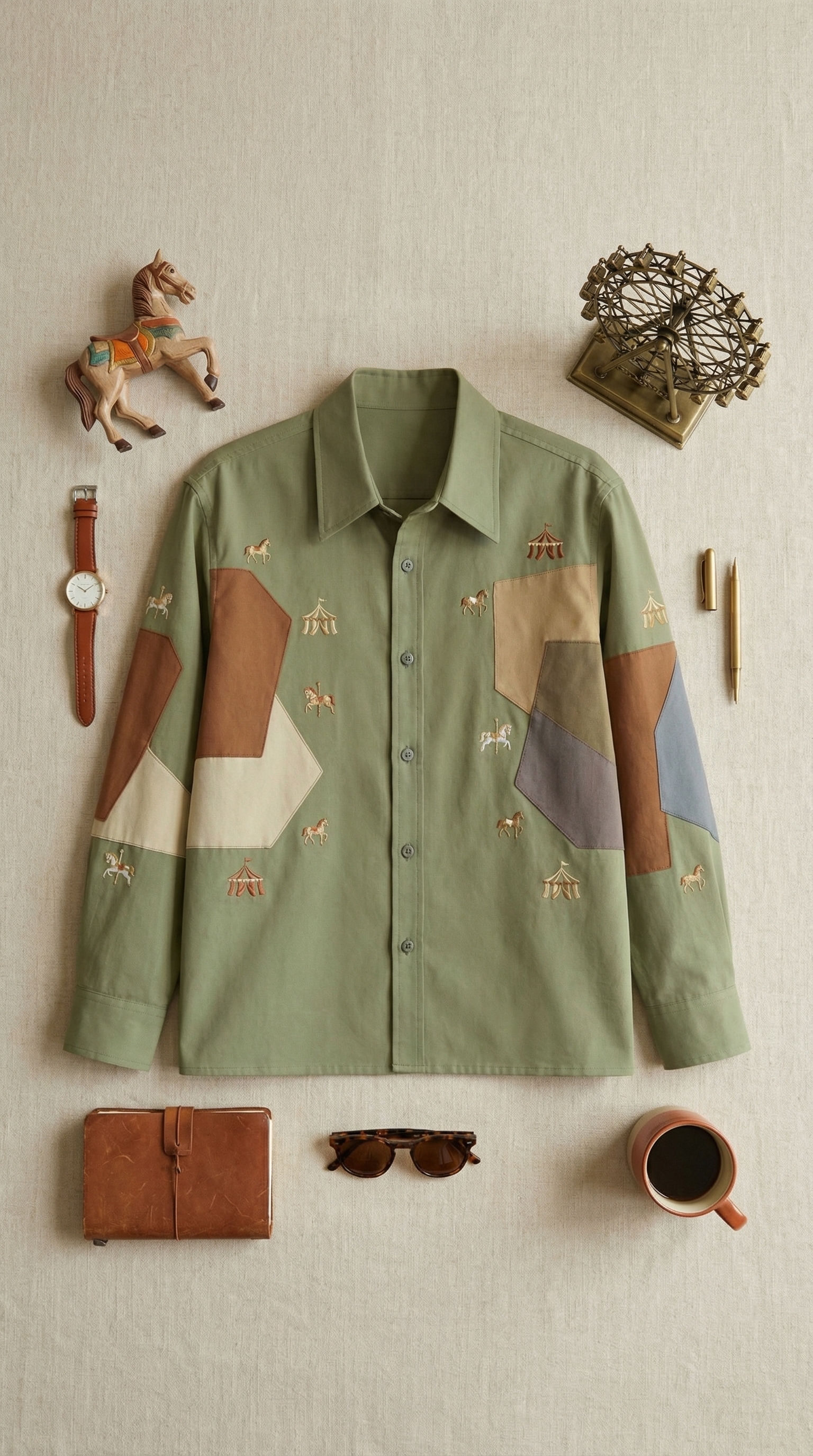
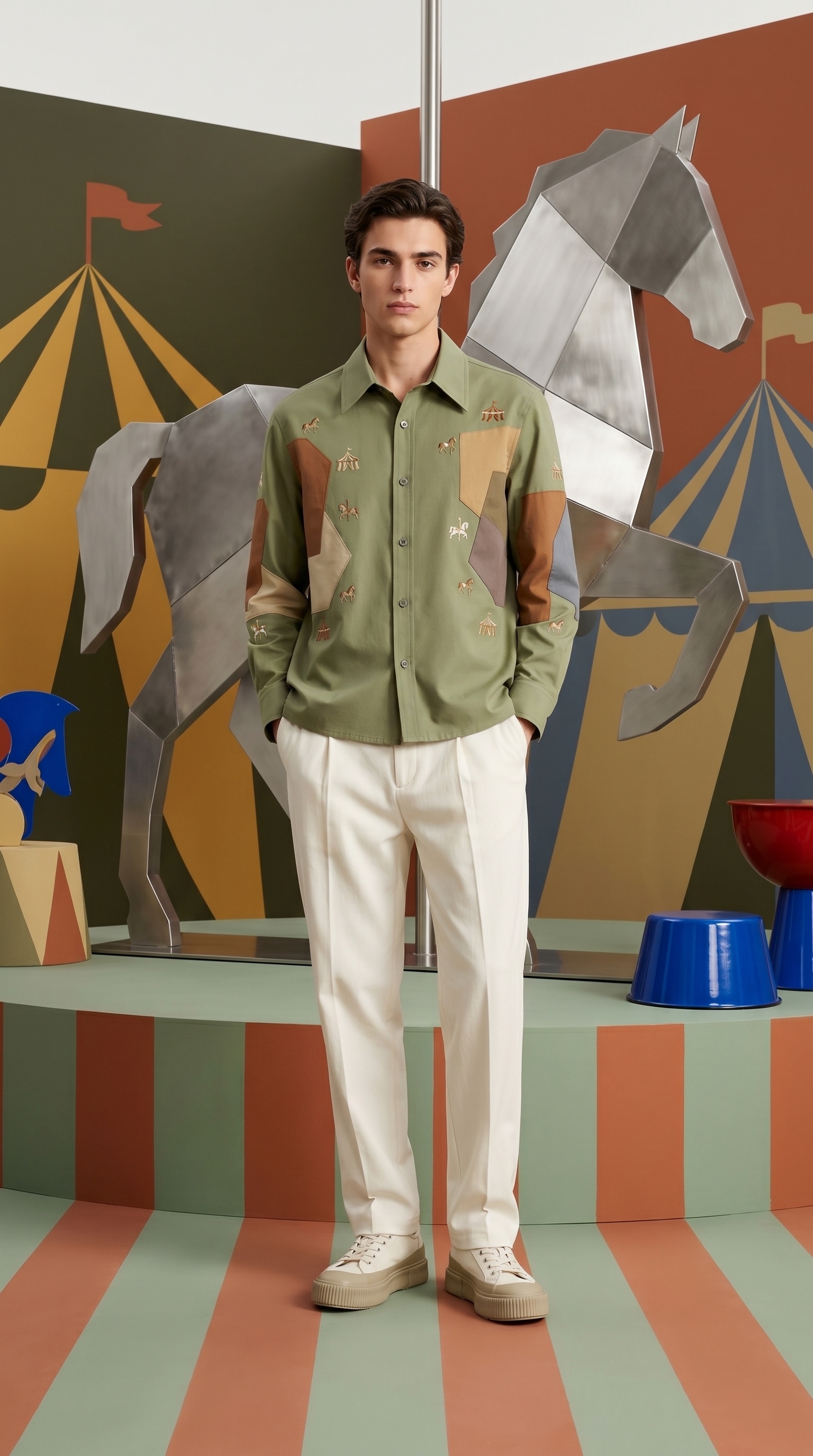
Circus Vibes

Matching Pastel

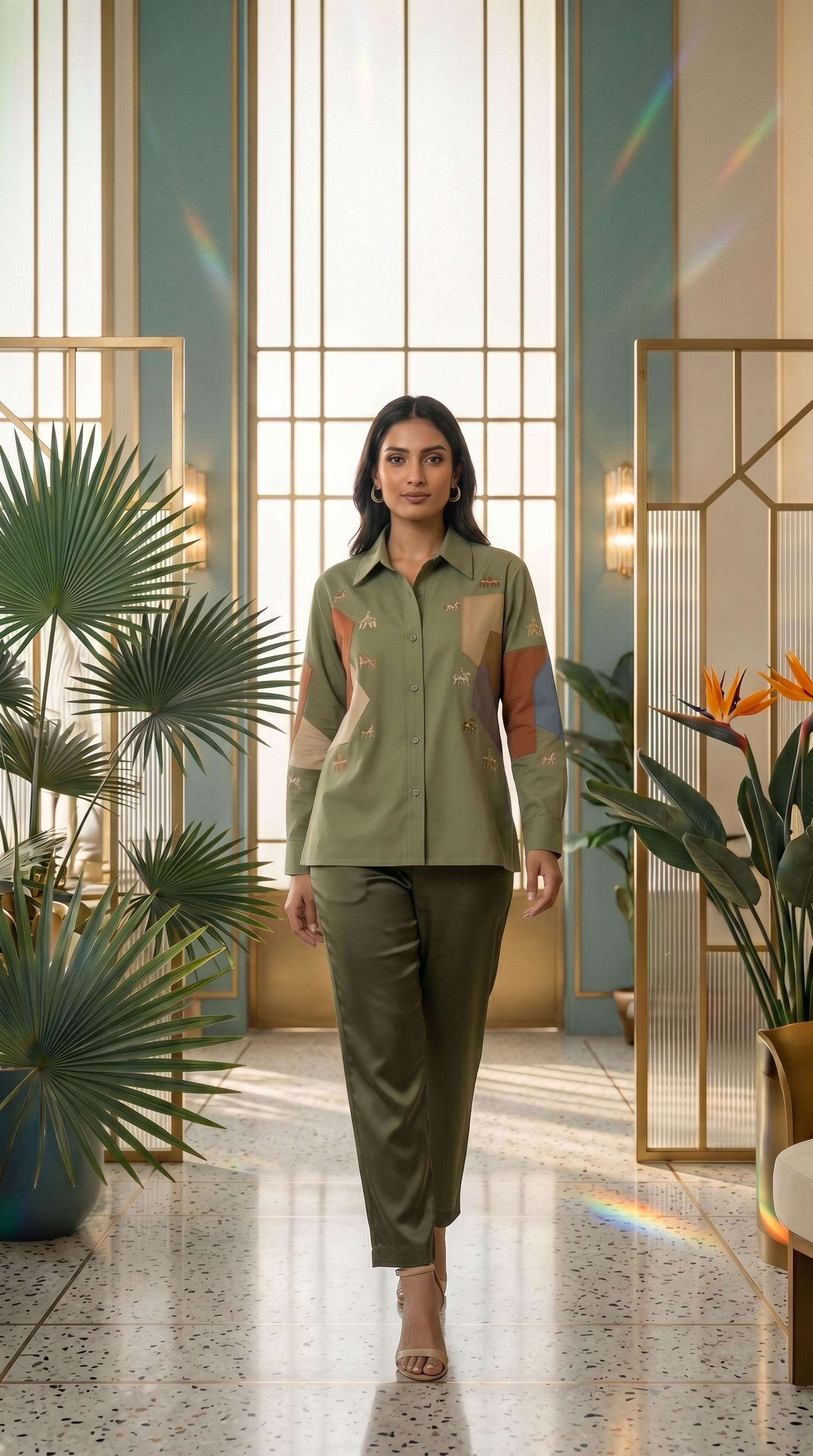
Tropical Art Deco

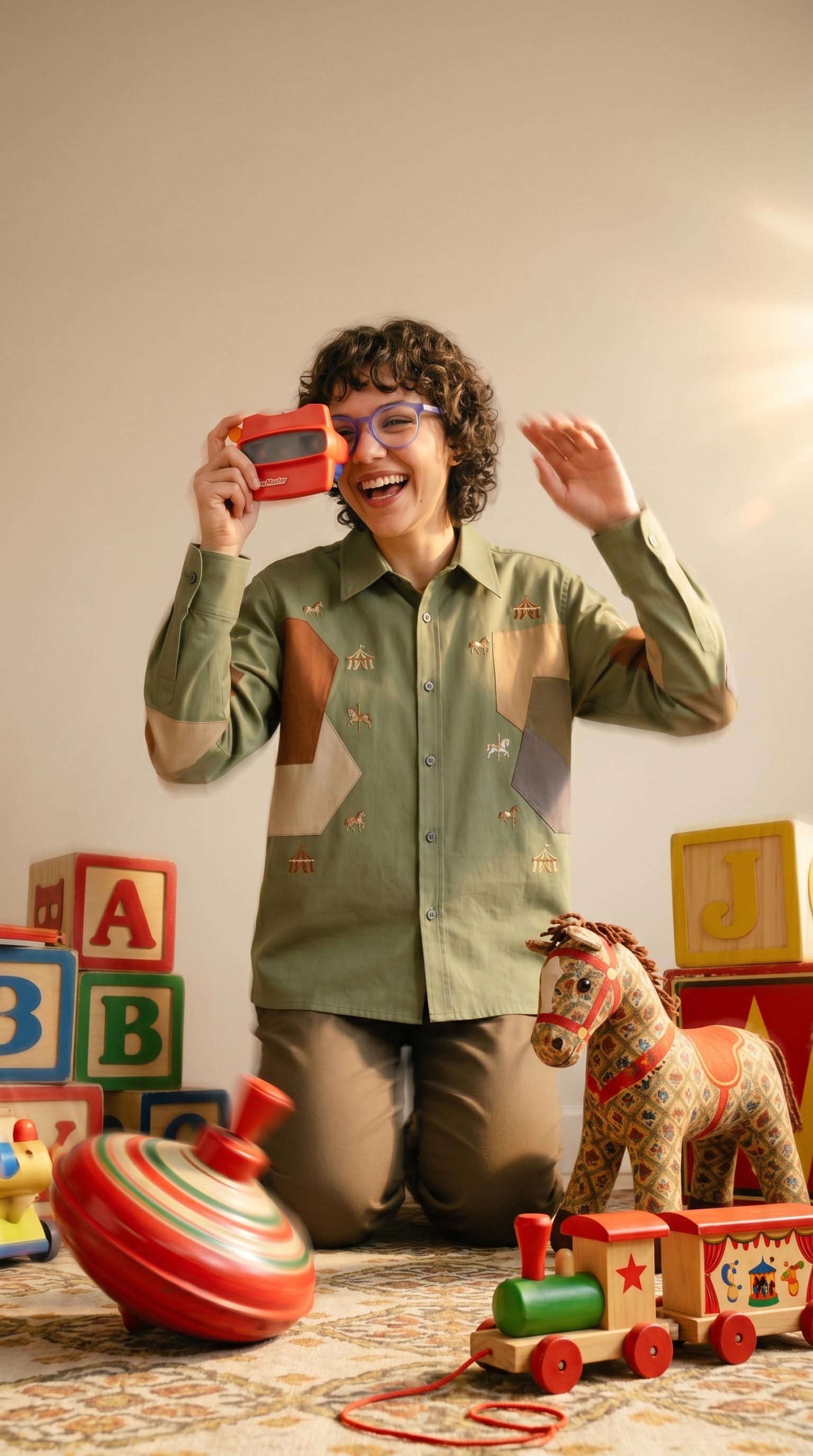
Nostalgic Playtime

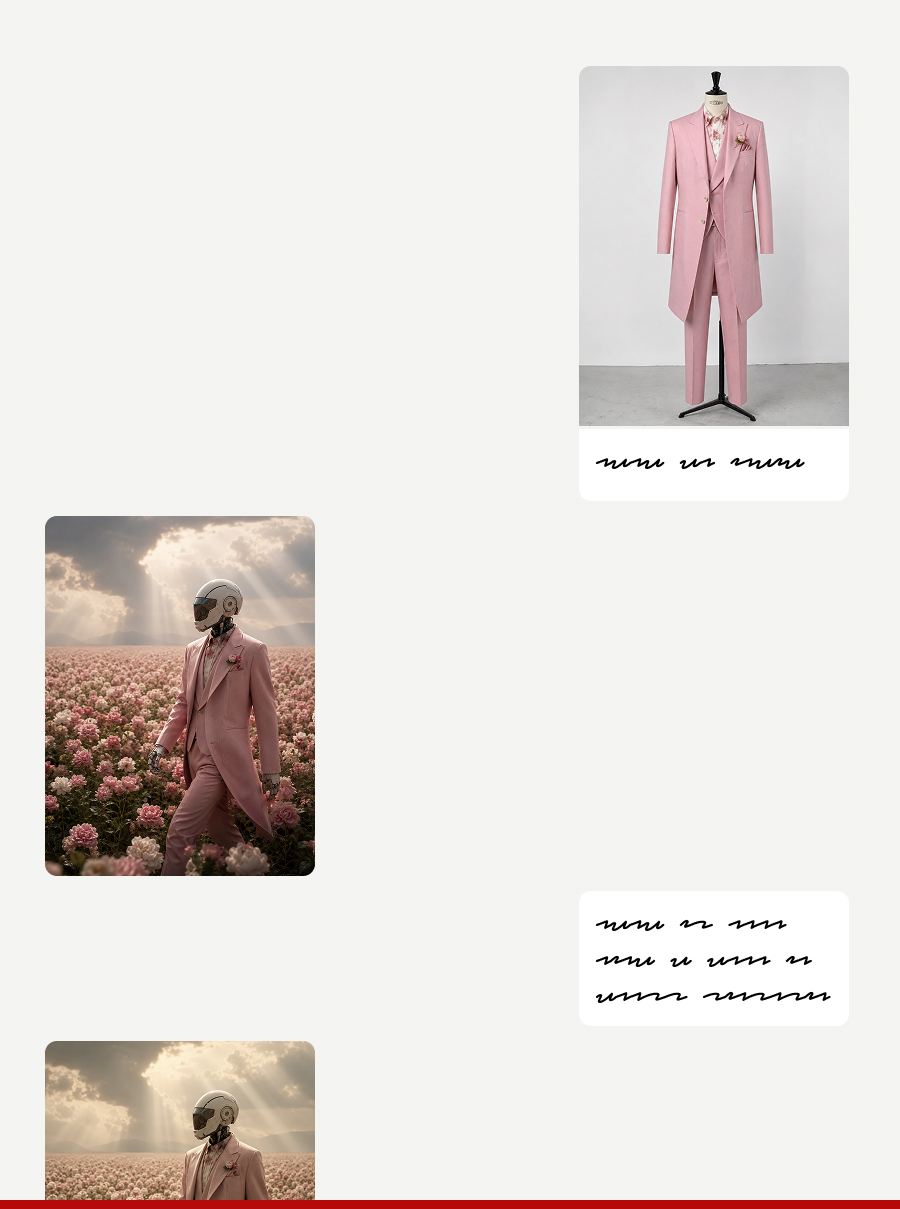
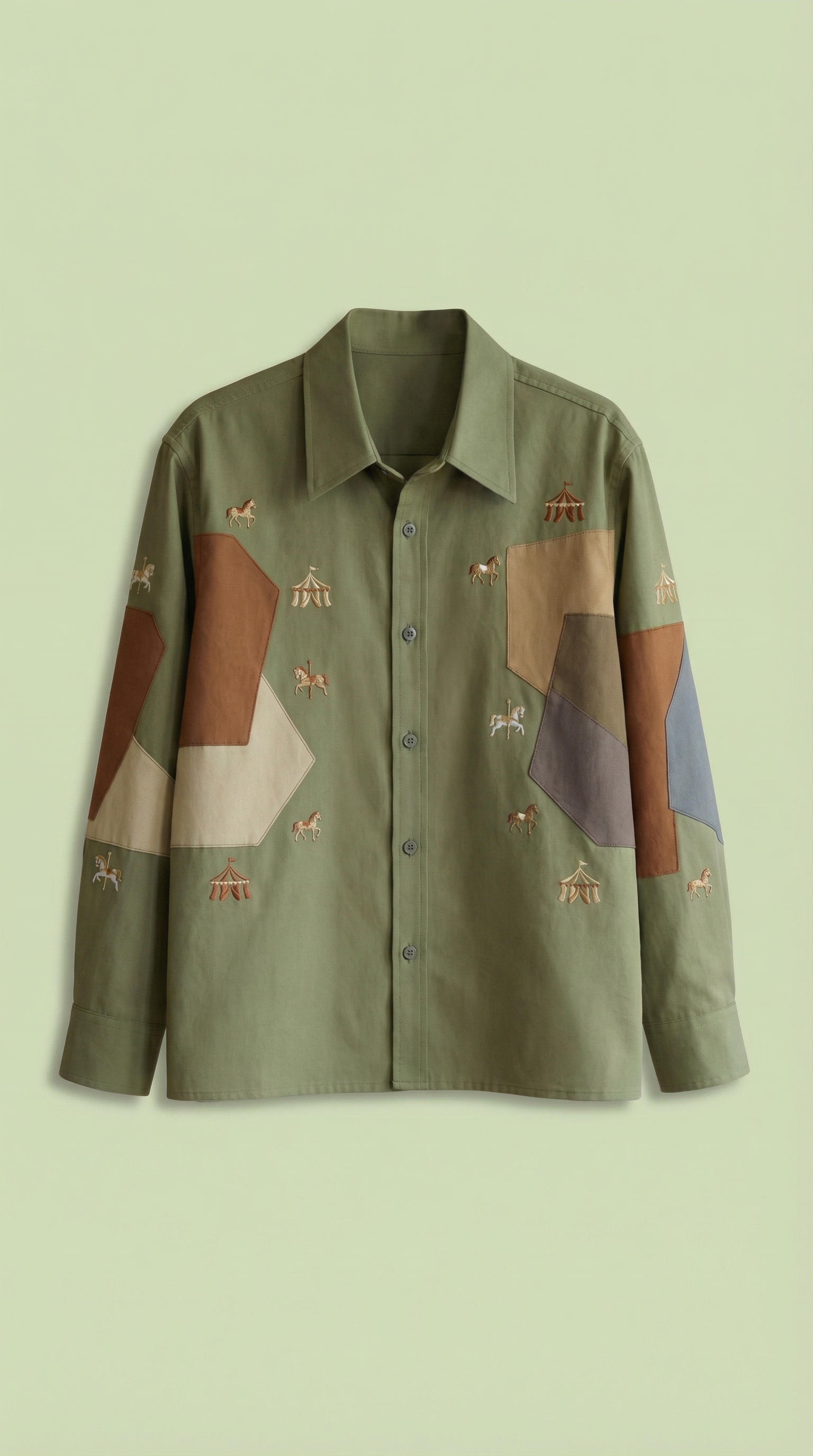
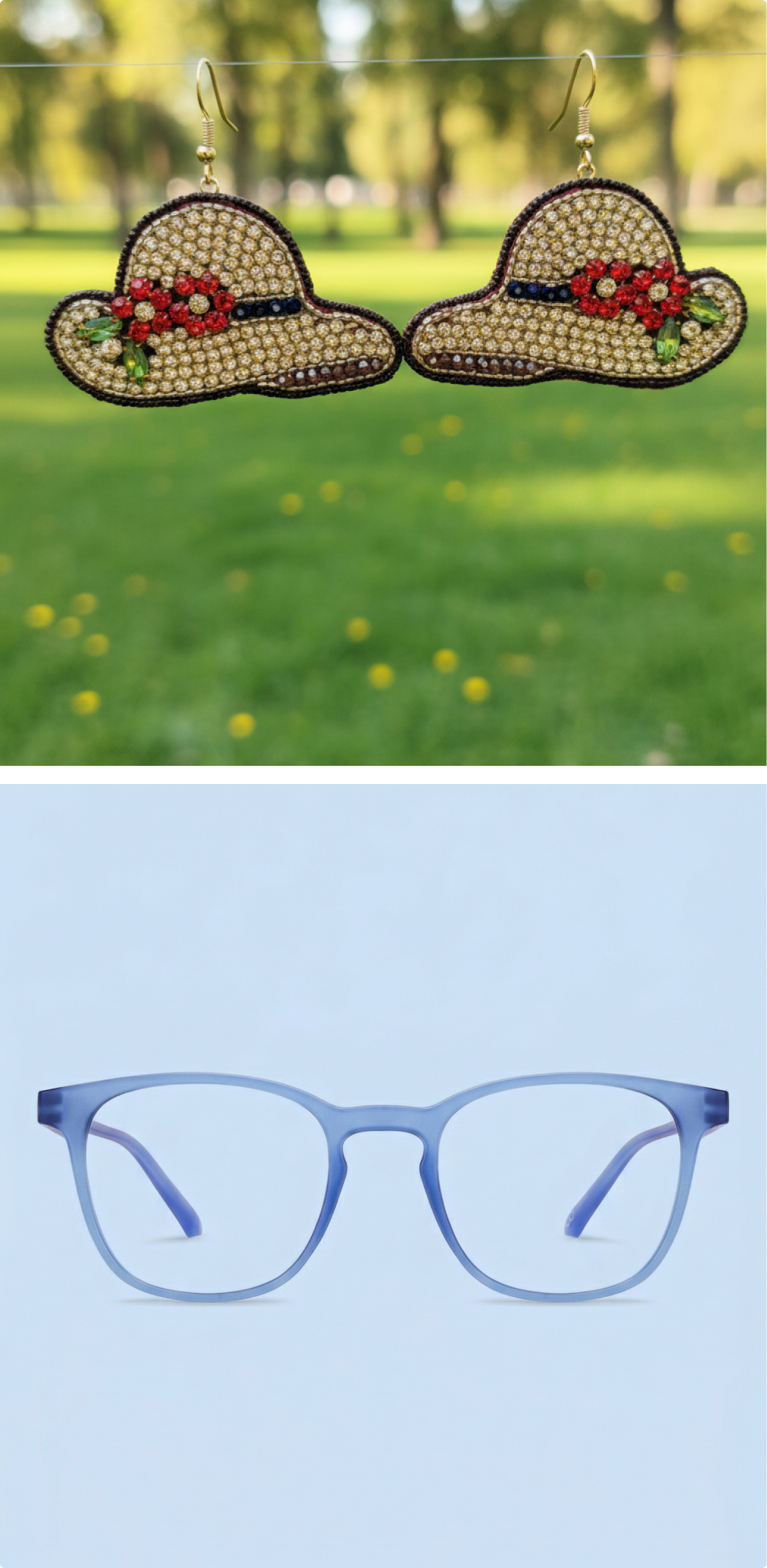
Sellers upload a basic image of their product
Select a style
Get a photoshoot image

Assembling the prompt
behind the scenes

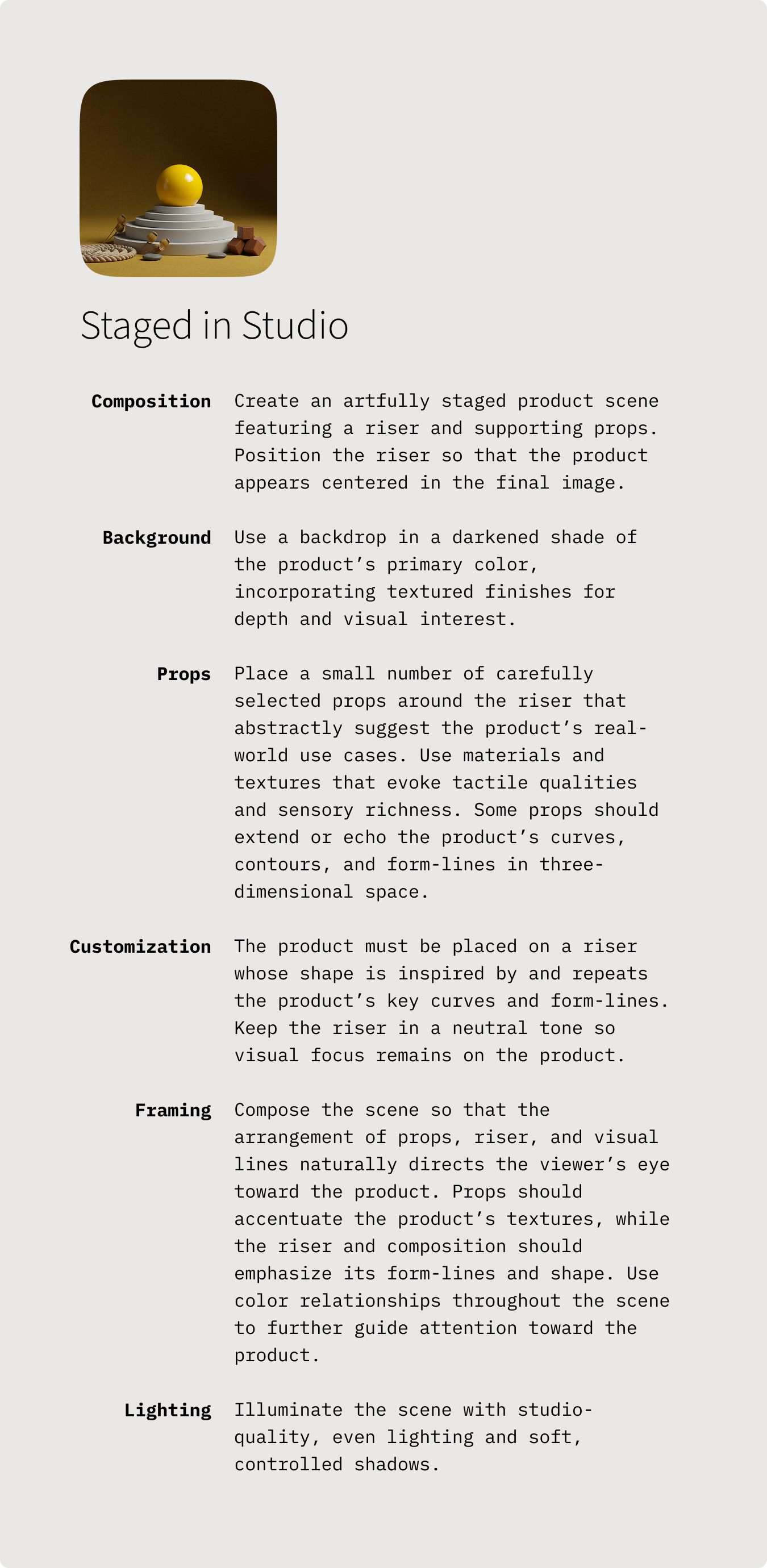
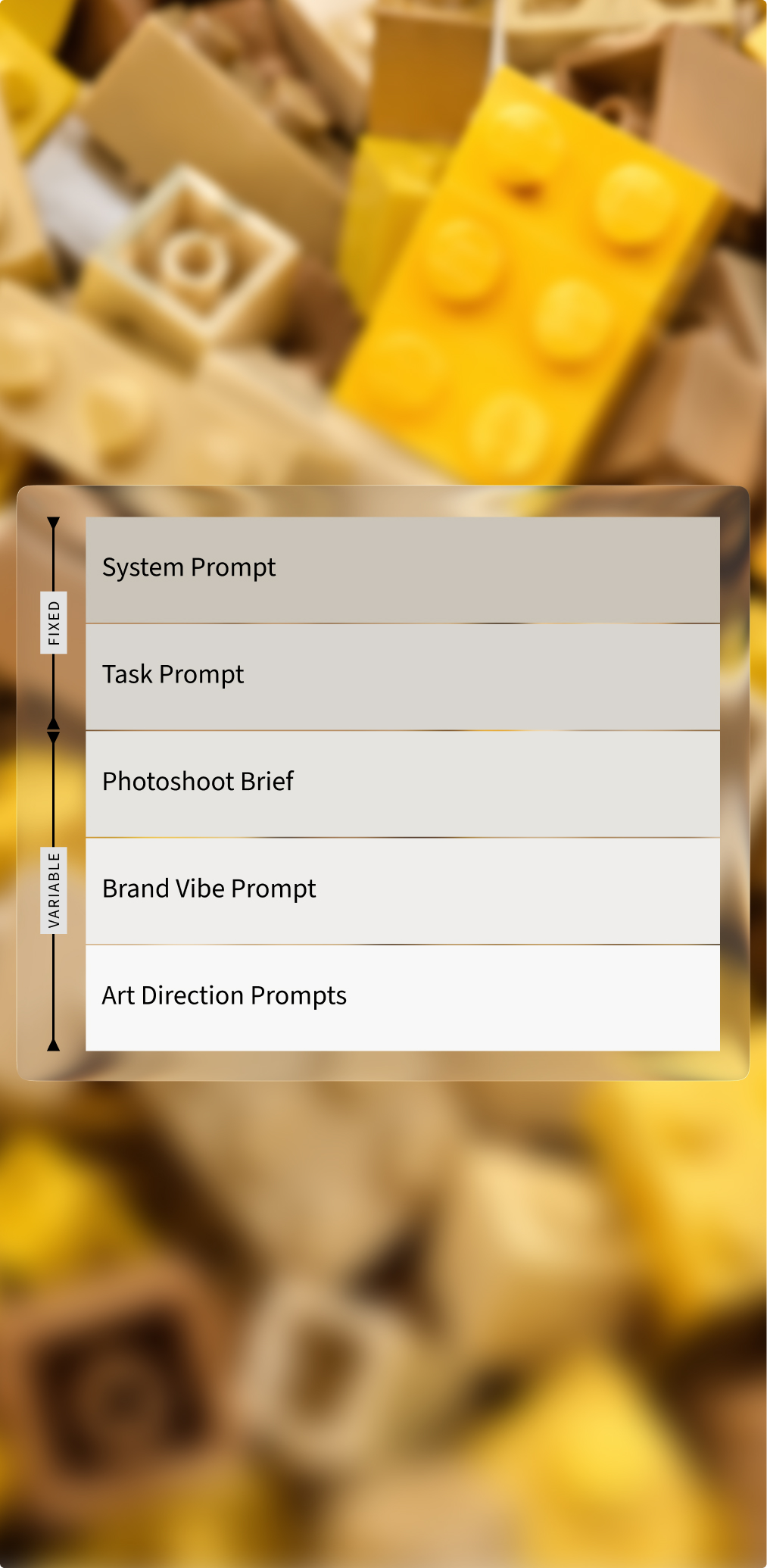
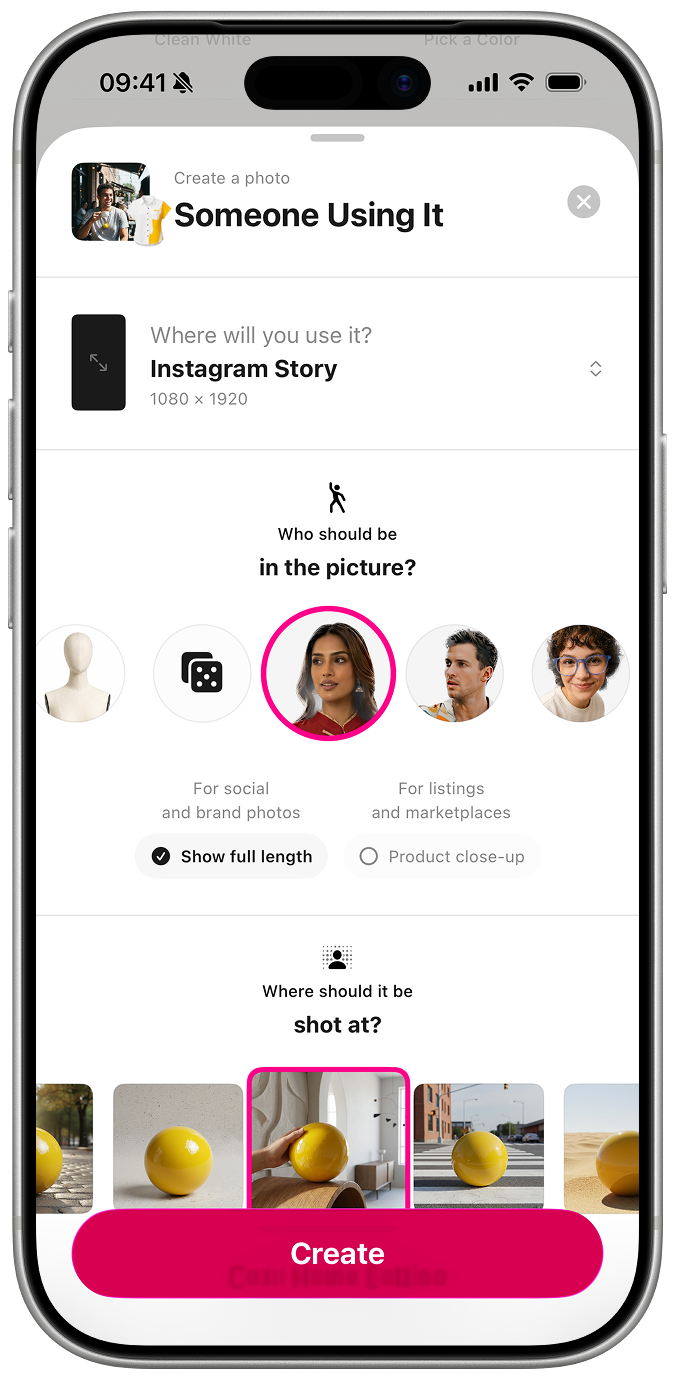
Users only ever interact with thumbnails and simple controls, and the art-director brief, visual references and guardrails assemble themselves behind the scenes.

Scroll →

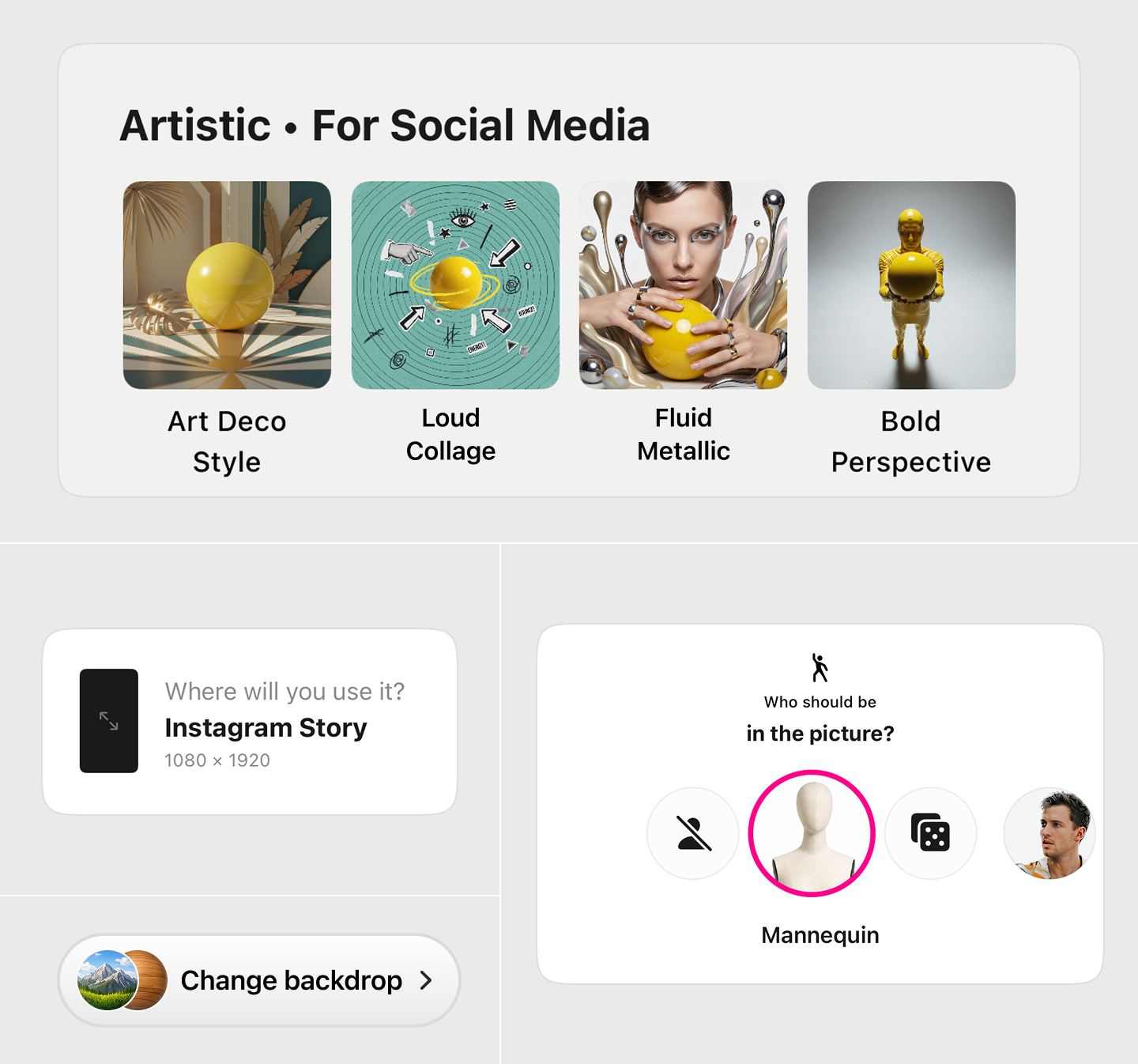
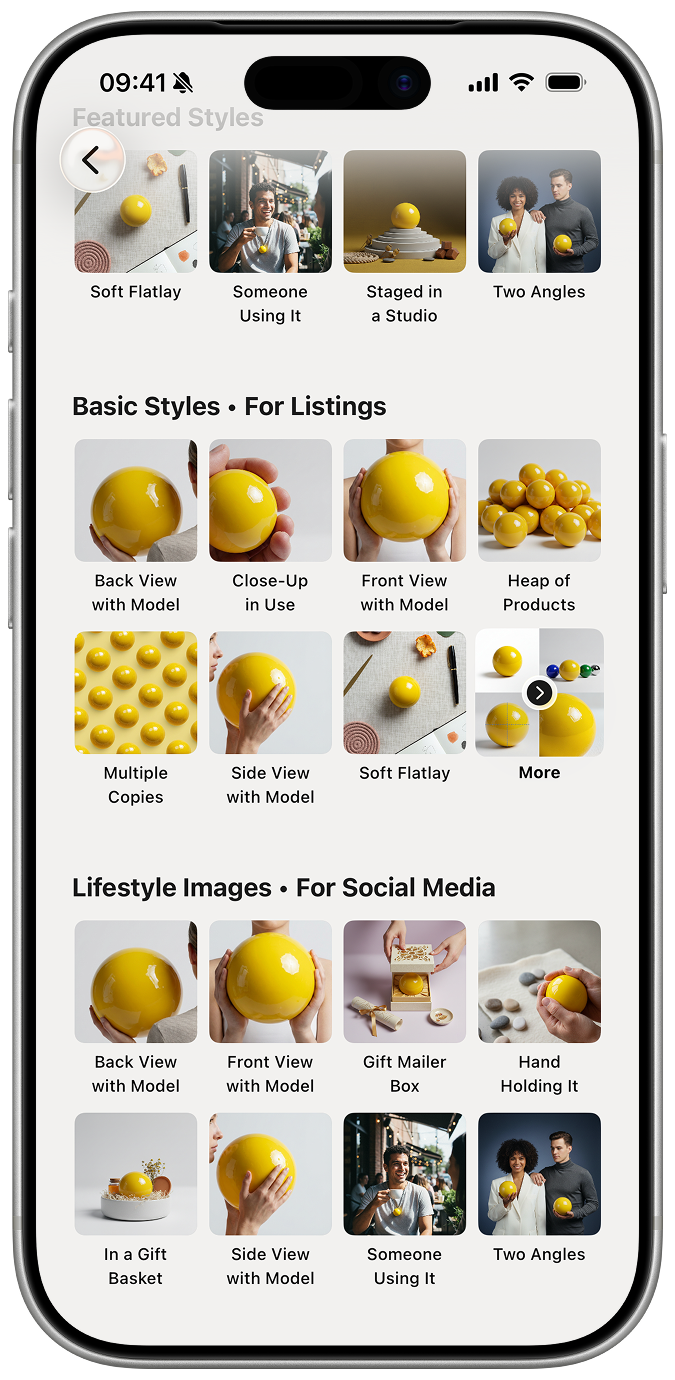
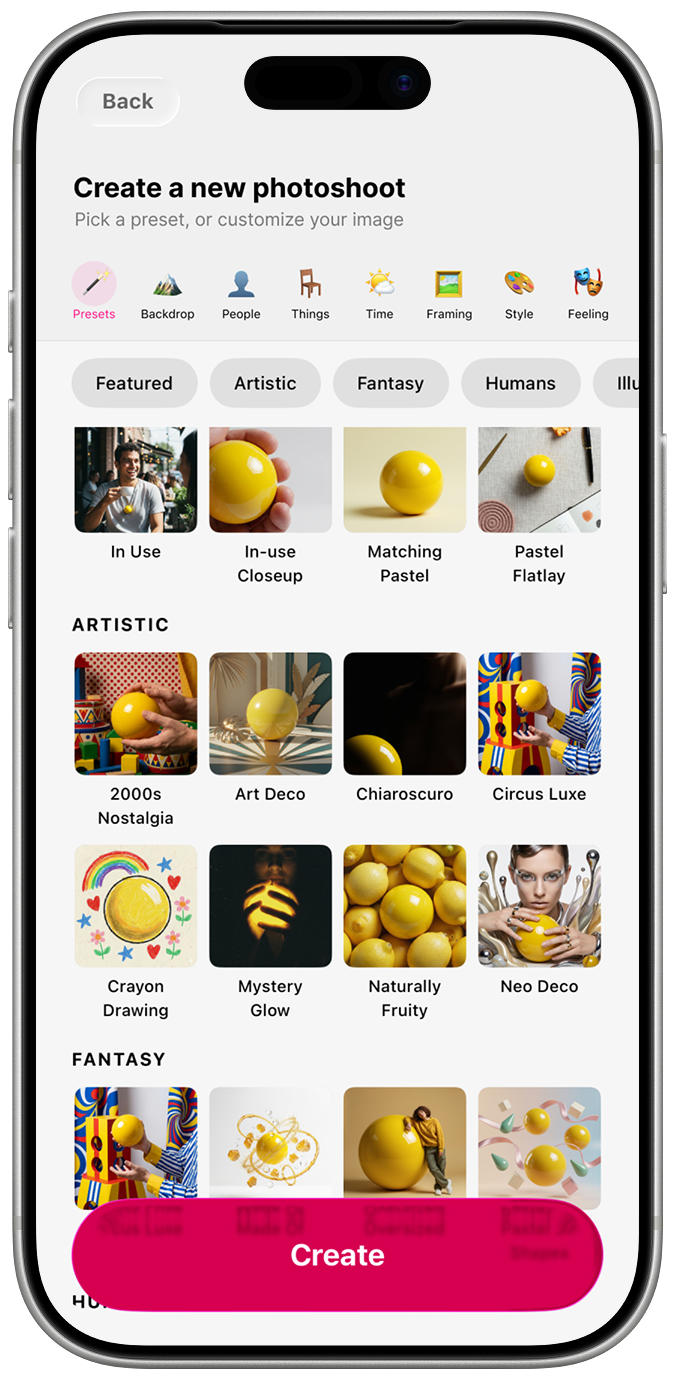
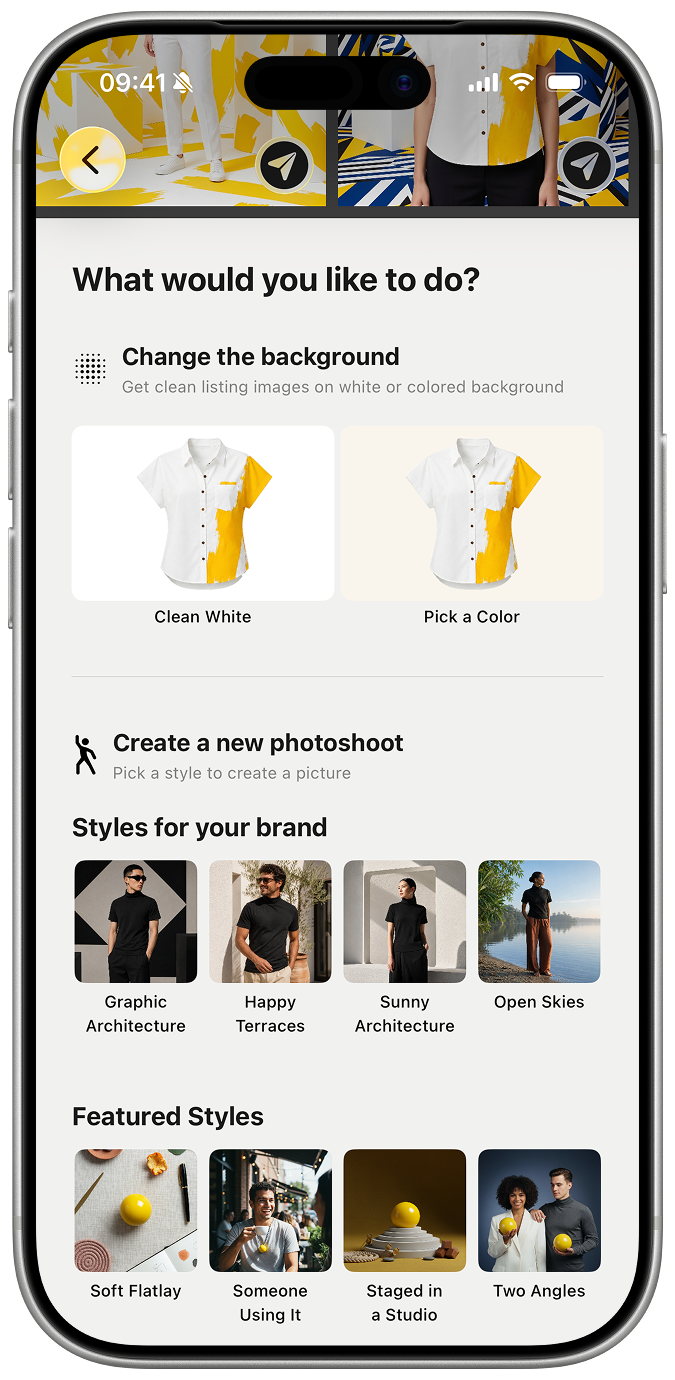
These styles are the main component of the modular prompting system. Grouped by high-level intent, these visual thumbnails let users select what kind of picture they want.

Each style uses an elaborate art-director-level prompt behind the scenes. Users only see the thumbnail, never the prompt itself.

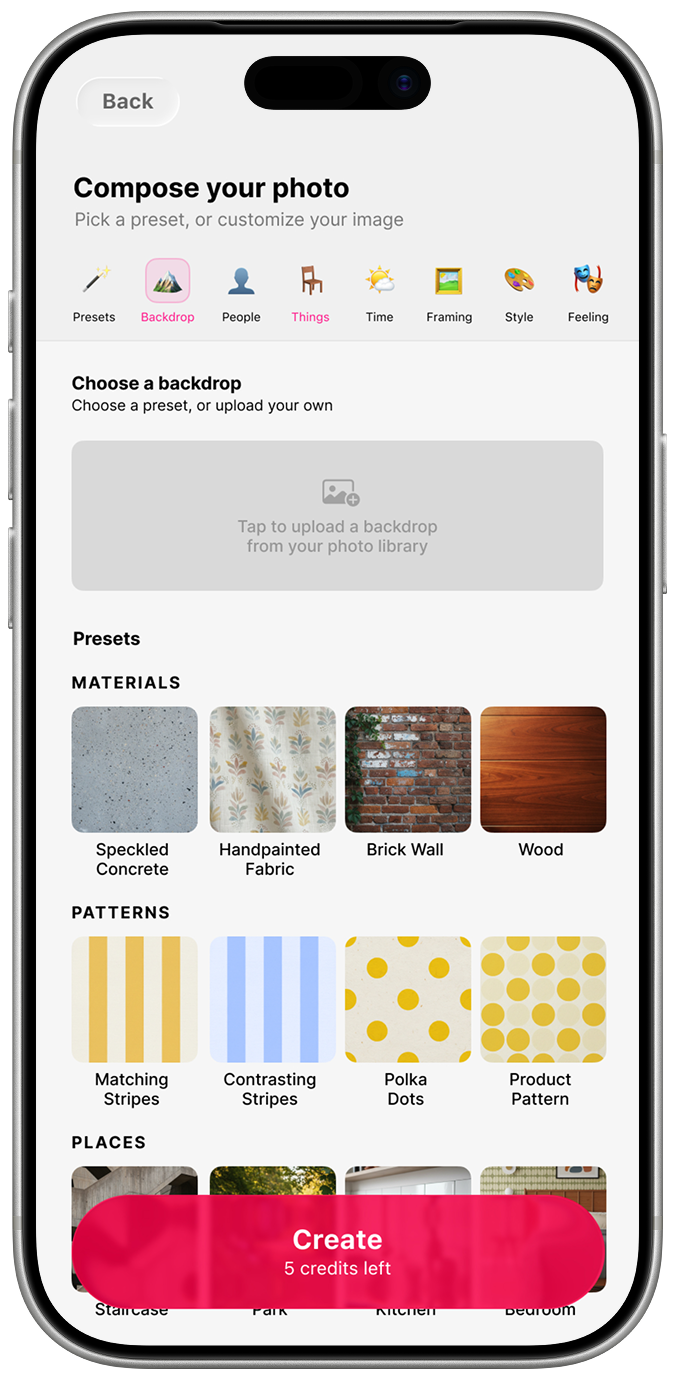
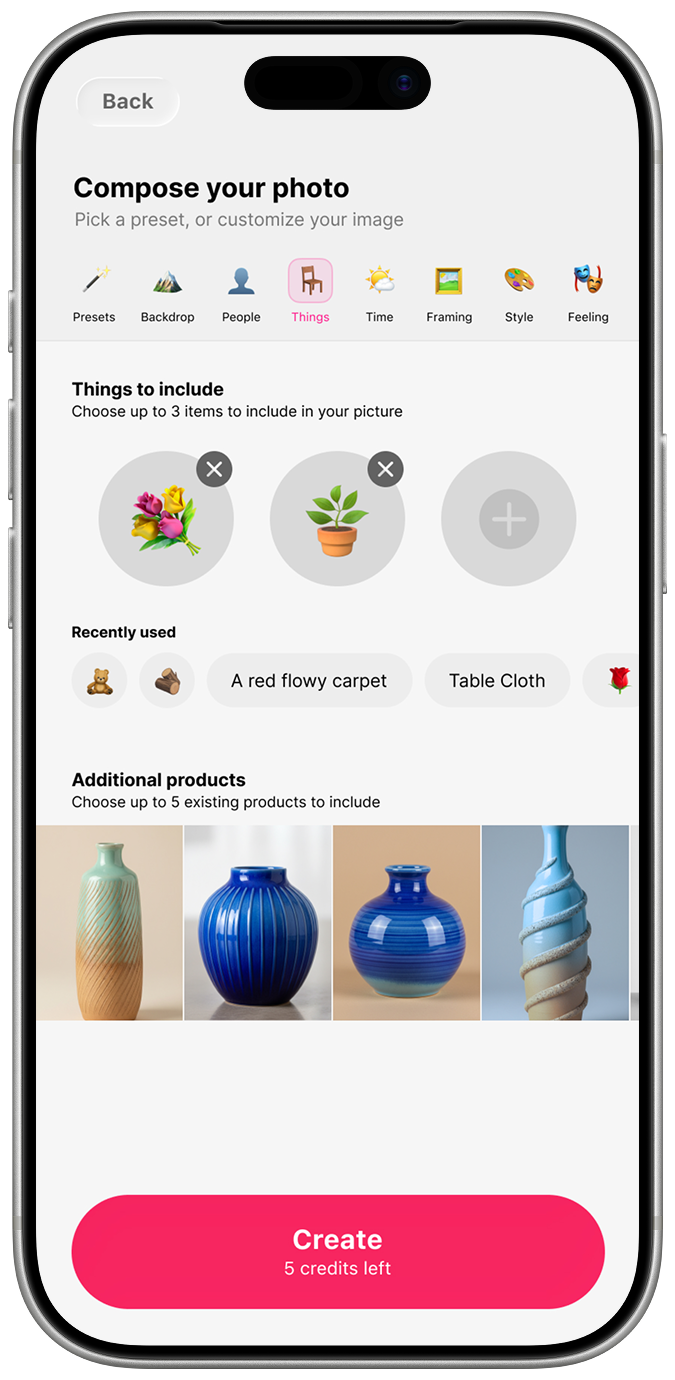
Additional controls relevant to product photography allow customizing the photoshoot further, adding references and modifying the prompt in the background.

Tappable Styles also appear as editing controls once an image is created. Some of these controls are dynamically generated considering the possible edits a user may want to make on a given picture.

Challenges

"I want something I can use on Amazon"
Along with lifestyle images for social media, people wanted to create marketplace-compliant images within the same app.

Solution

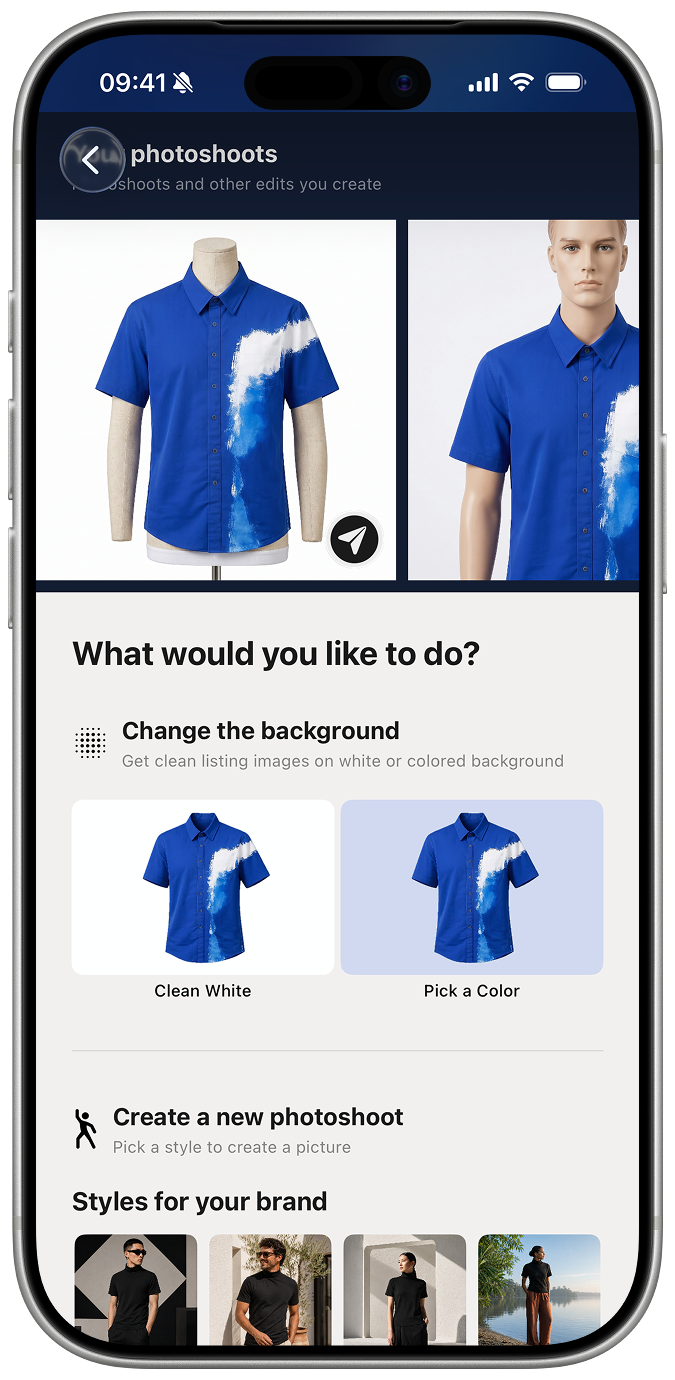
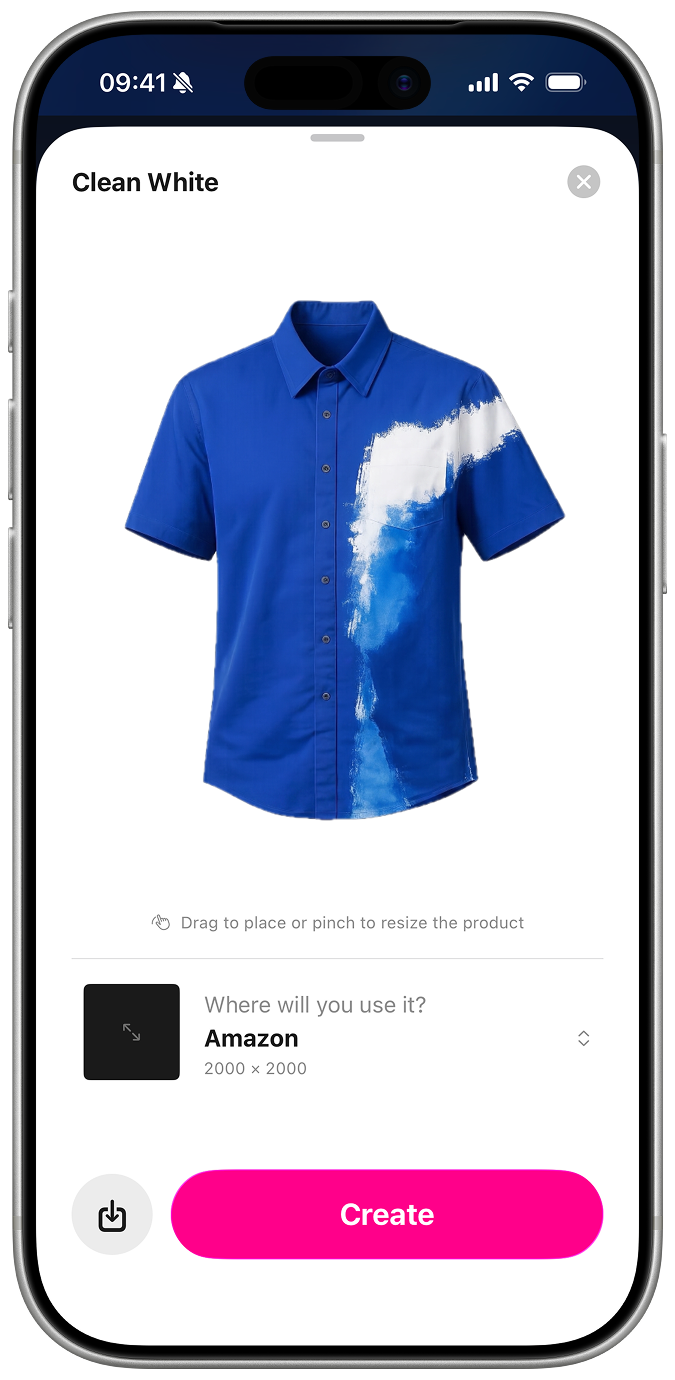
For all imported images, a cleaned-up white-background image is created by default. Platforms like Amazon and Google have strict guidelines on the kind of pictures that can be posted as product images. I made styles that produce compliant pictures. I codified some of these guidelines into the system prompt available throughout the app as part of ethical image generation guardrails, particularly for products from categories with high Gen-AI abuse potential, and products for children.

"People will think our products are out of their budget"
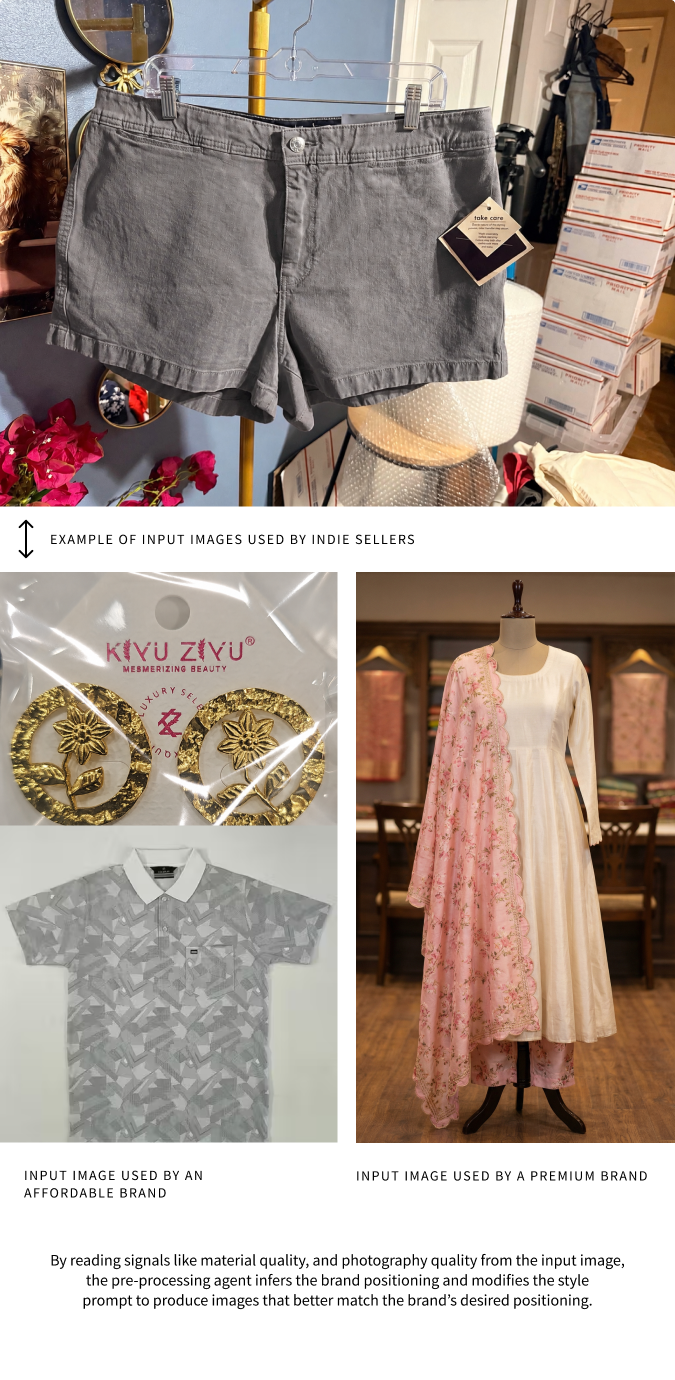
Images from an affordable brand looked the same as those from a premium brand — a problem for affordable brands because it altered their brand perception.

Solution

I created a sub-agent that infers the brand positioning from the quality or the product and the input photograph, and modifies the modular prompt accordingly. I also created styles that produced images that matched the styles affordable brands use, like those with simple backdrops and a UGC style look.

"Do other brands see the same person too?"
People wanted to make sure the model for their brand did not appear for other competing brands.

Solution

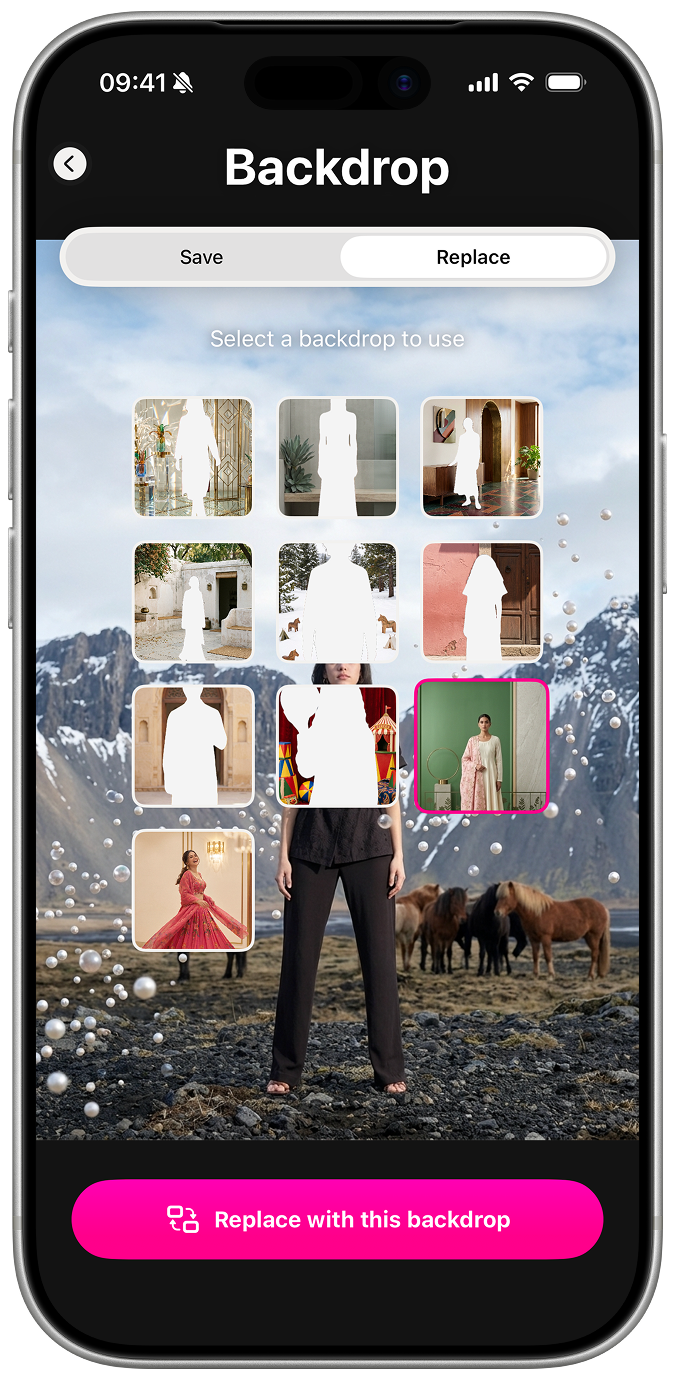
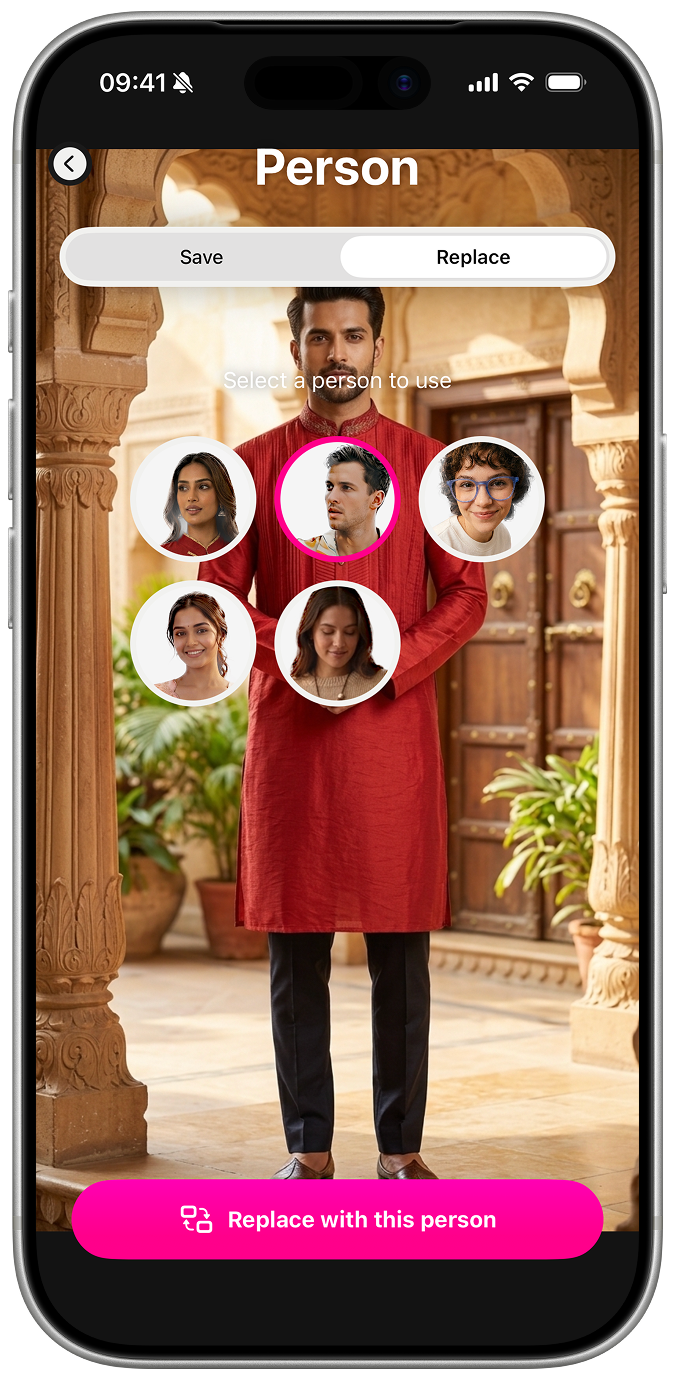
Brands reuse models and backdrops for their photoshoots for a cohesive look across their collections, and to stand out from other brands. Even getting formal non-compete agreements signed by models is not unusual. I modified the style prompts to first introduce variety in the people generated, and designed the ability for a brand to save and reuse people and backdrops across pictures and products.

"The pictures feel too similar"
People felt the results were monotonous once the initial wow-effect faded after about a week of use.

Solution

Scroll →

I broke the prompt creation process down into smaller parts, each created by a dedicated agent that analyzes the image to gather more information from the product, and tweak the style prompt to increase the variety. However, this had to be balanced with ensuring that styles still produced predictable outputs. I also tried adding more styles and controls, which led to decision paralysis. I then moved to a design that balances control with the simplicity that most users want.

Not every prompting problem
needs to be solved

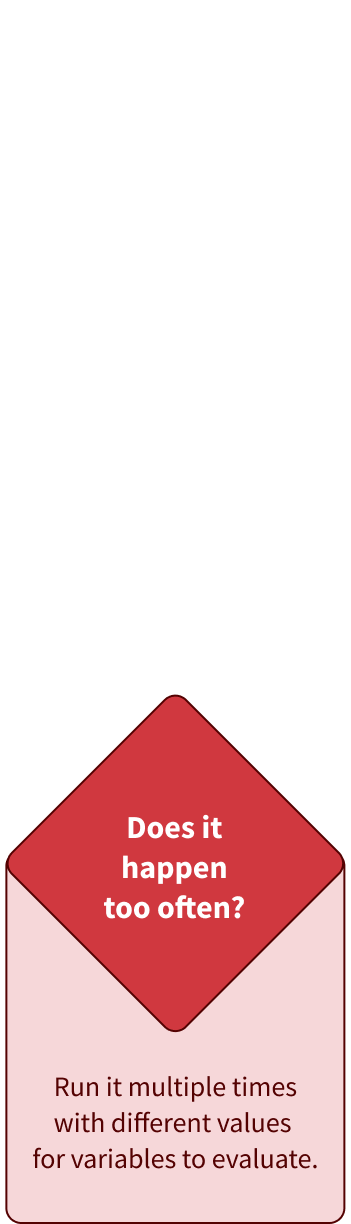
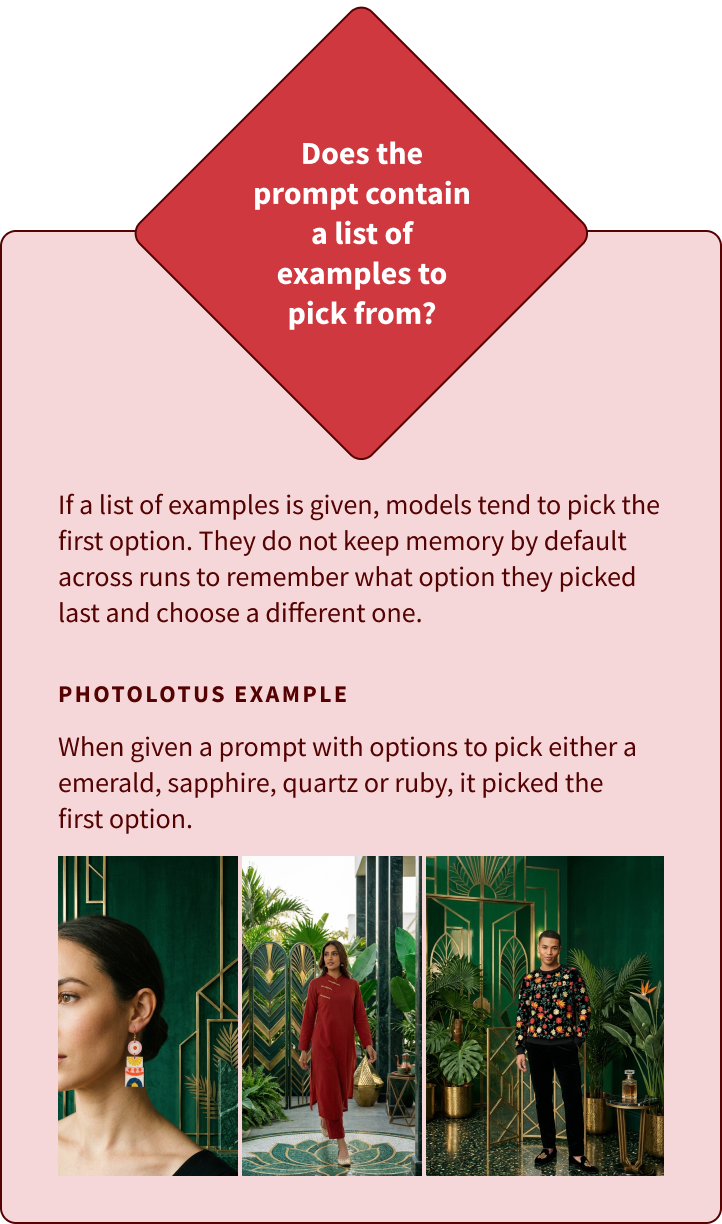
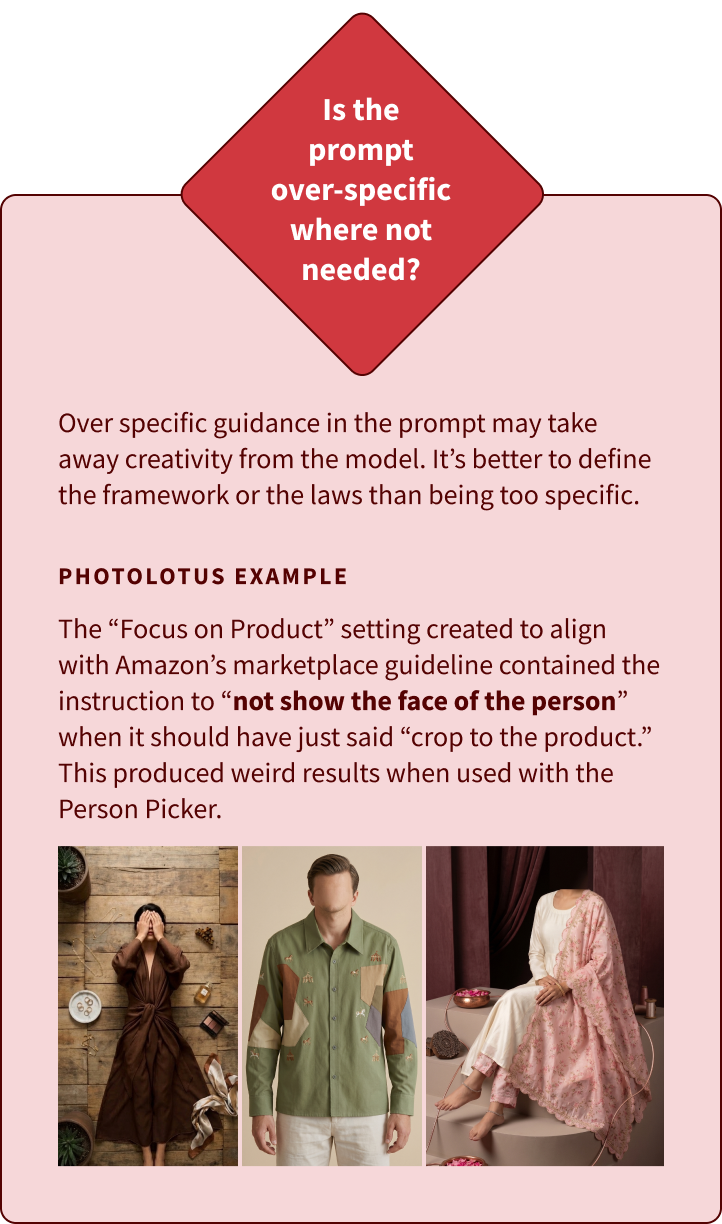
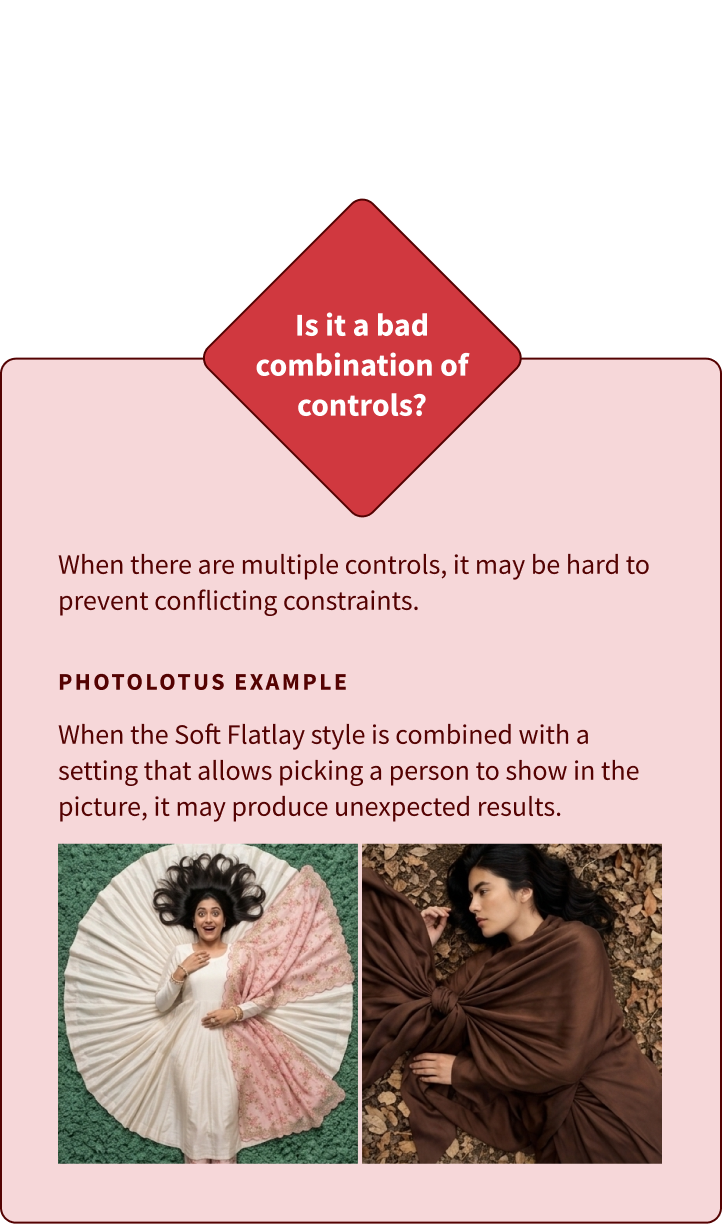
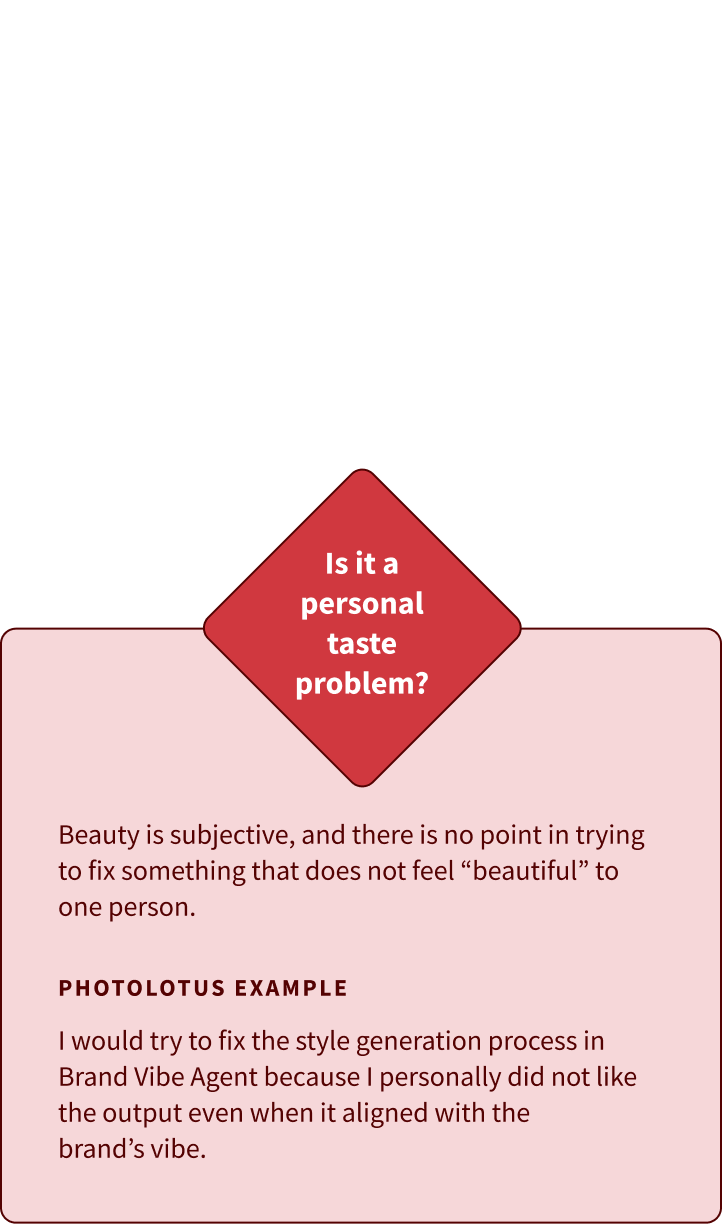
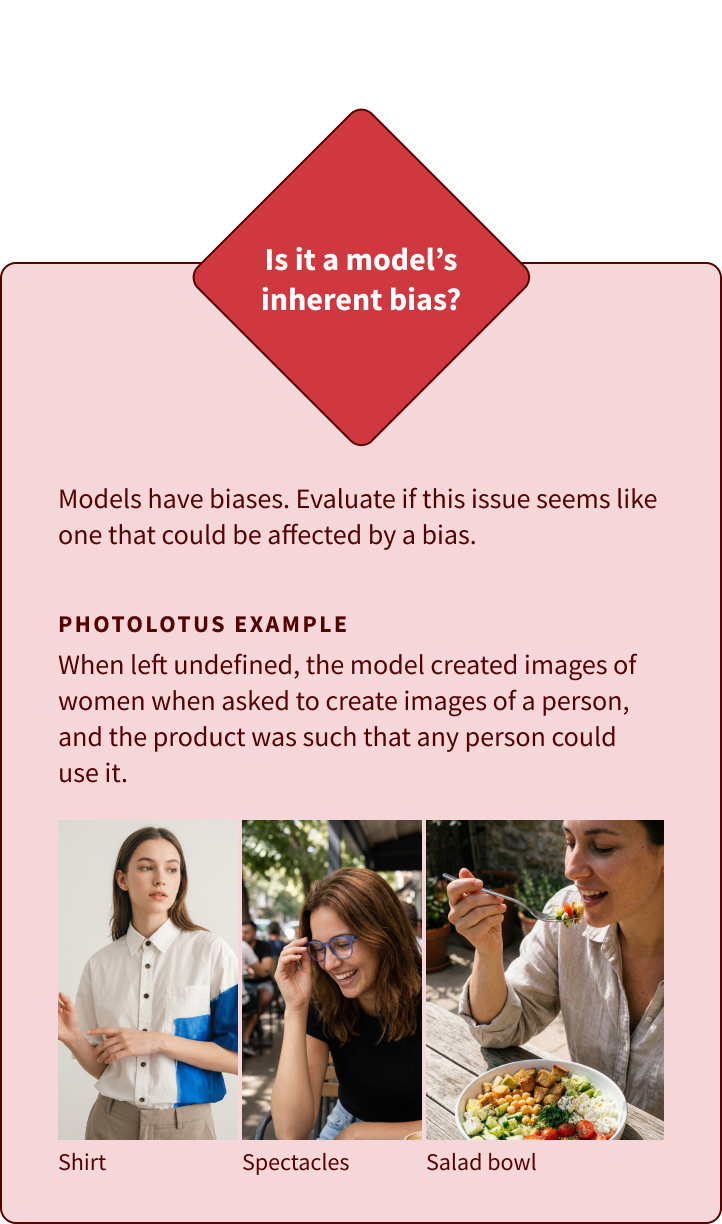
Generative models are non-deterministic, so the same prompt can produce different outputs across runs. While this is desirable in our case, it also means it is important to identify what might be causing the problem, and which ones are not worth solving.

I designed a framework to decide.

Scroll →

  • Fix or defer decision process, step 1
  • Fix or defer decision process, step 3
  • Fix or defer decision process, step 4
  • Fix or defer decision process, step 5
  • Fix or defer decision process, step 6
  • Fix or defer decision process, step 7
  • Fix or defer decision process, step 8
  • Fix or defer decision process, step 9
While modular prompts in styles, and additional creative controls help add uniqueness across brands, a brand-level solution was needed.

Brand Vibe Agent

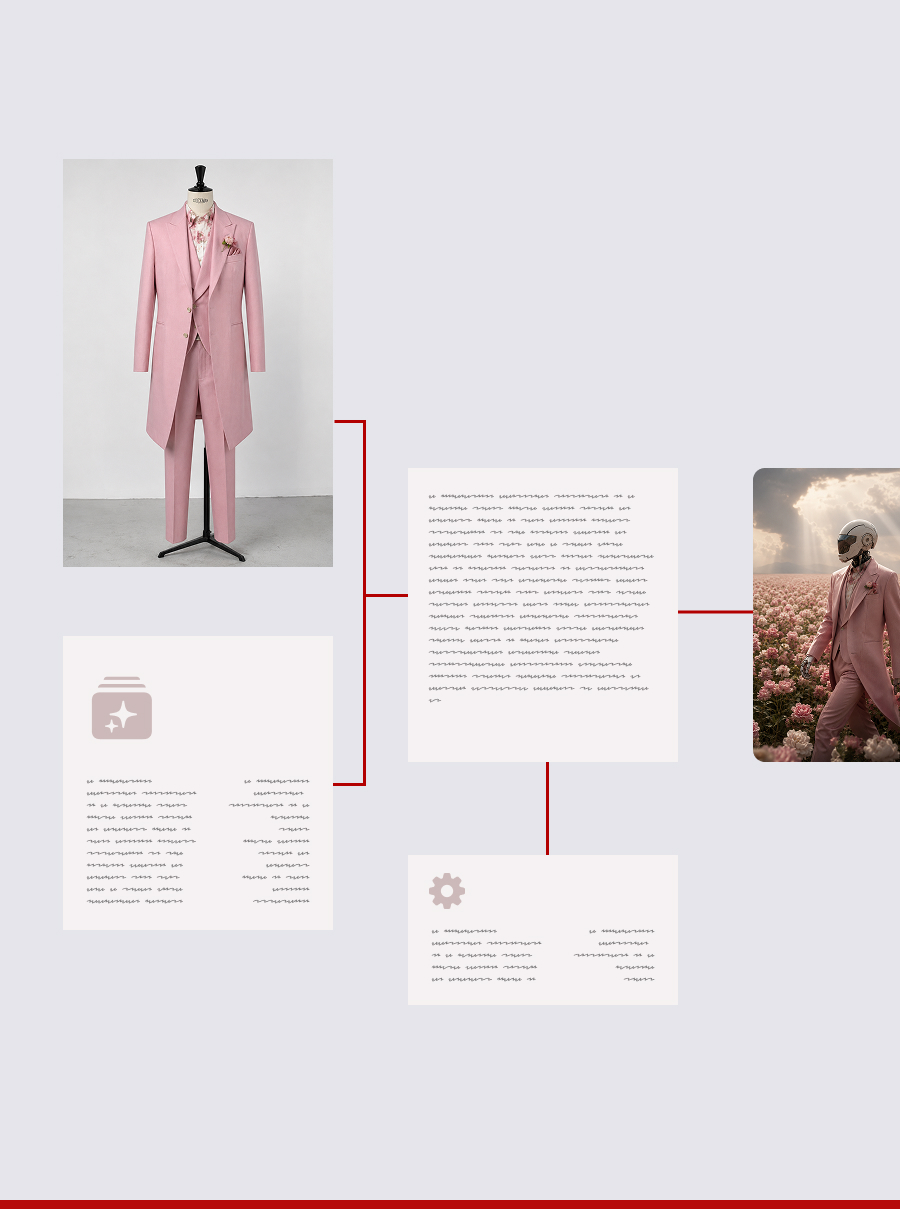
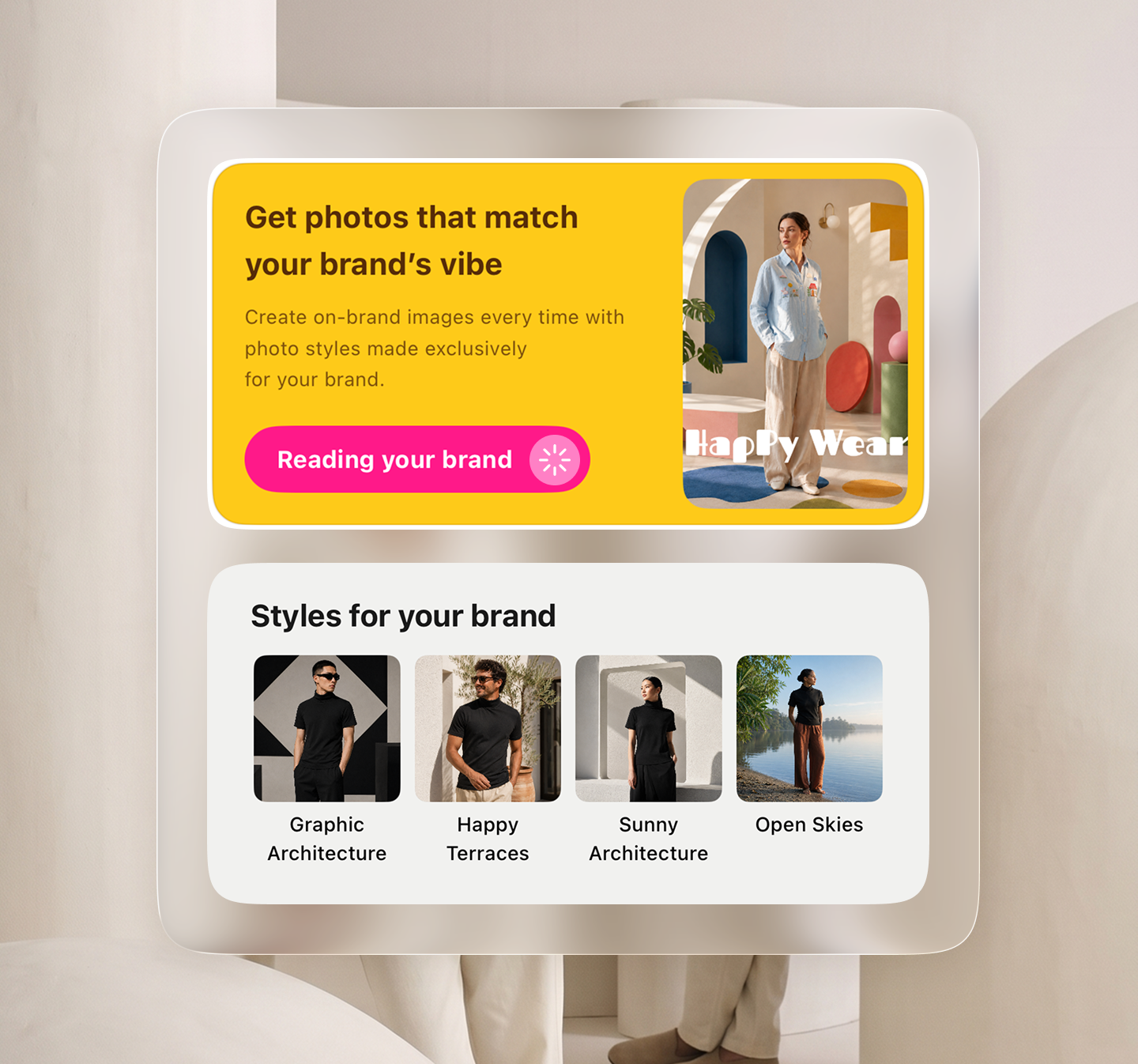
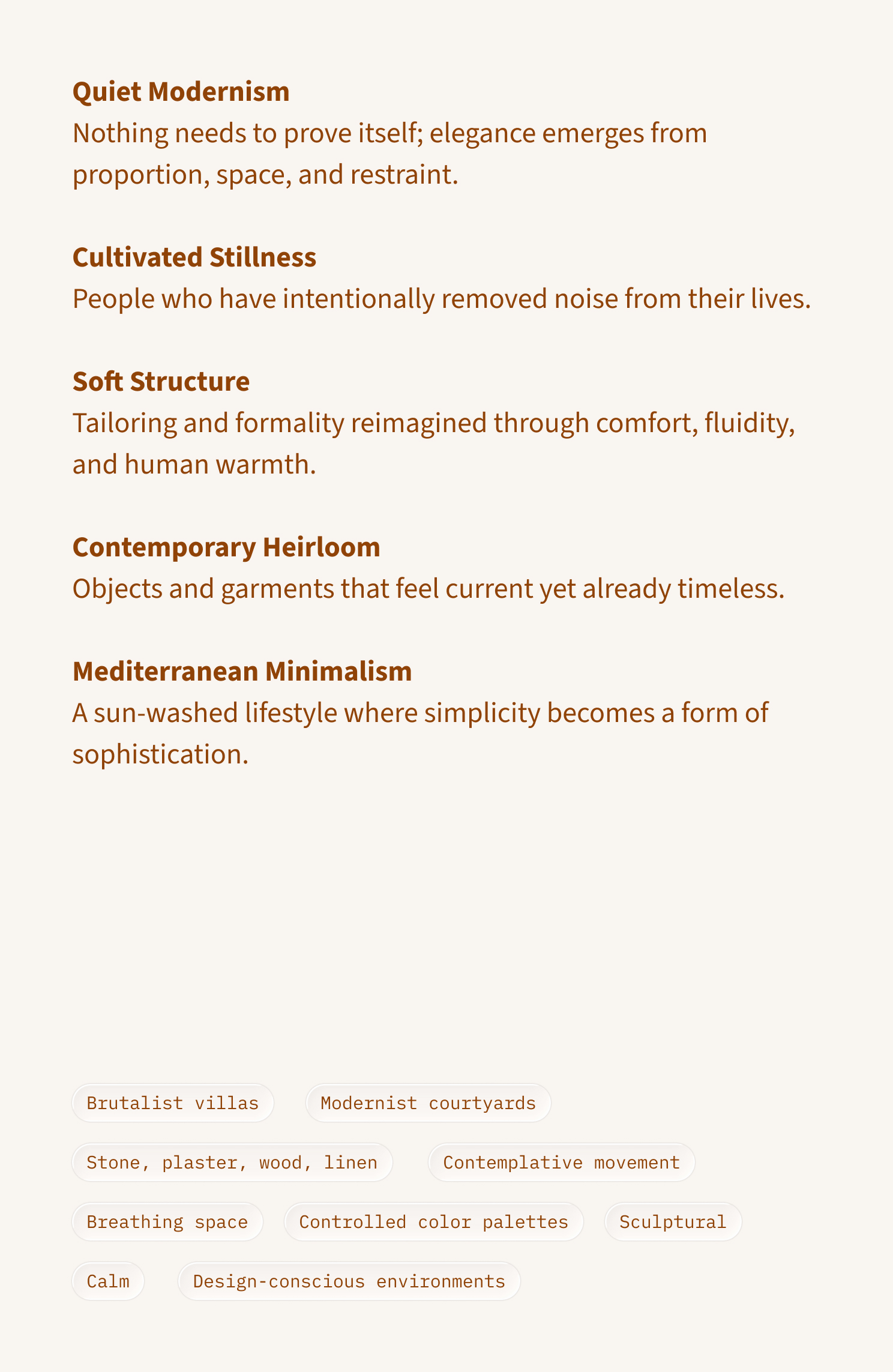
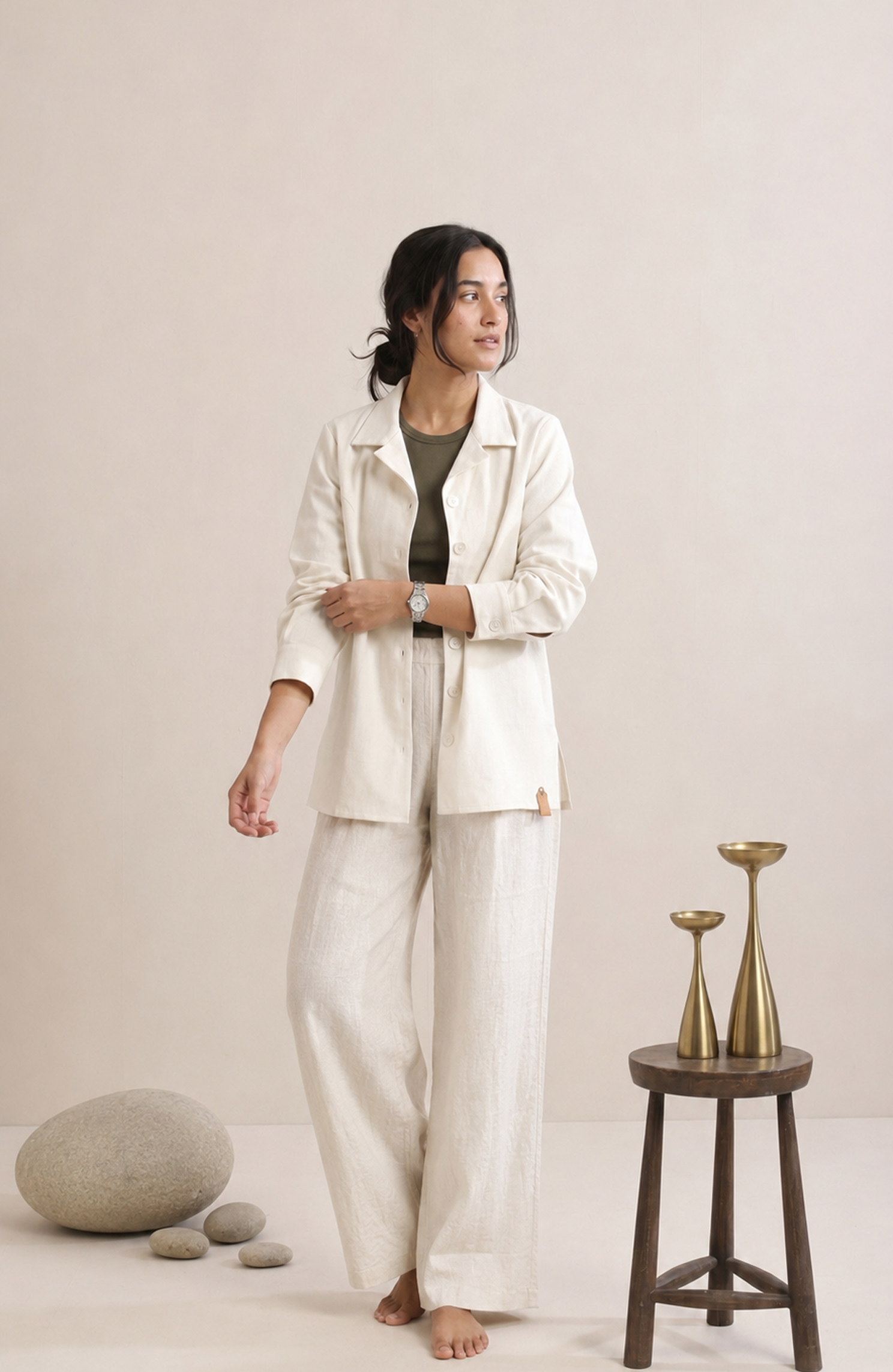
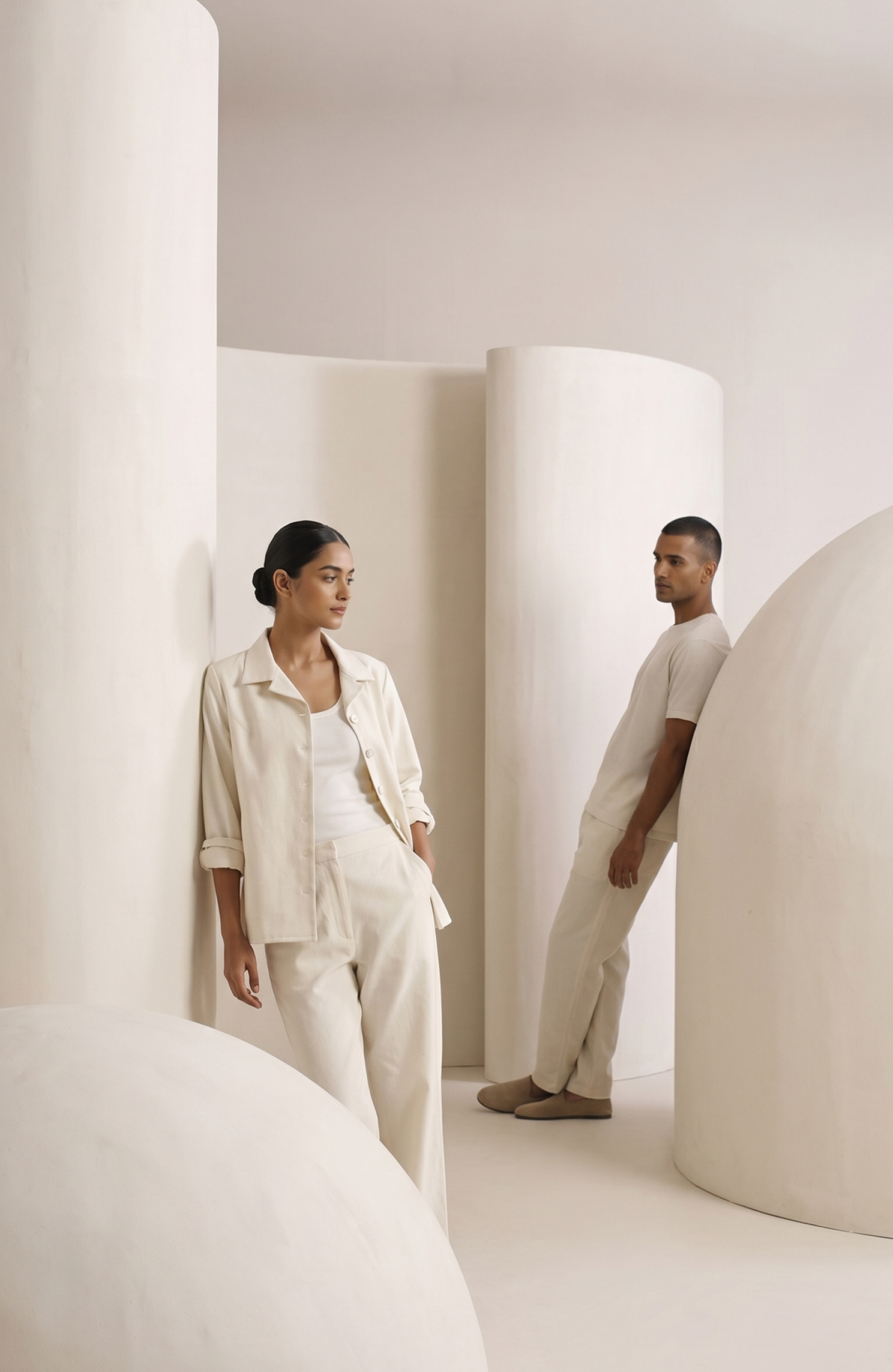
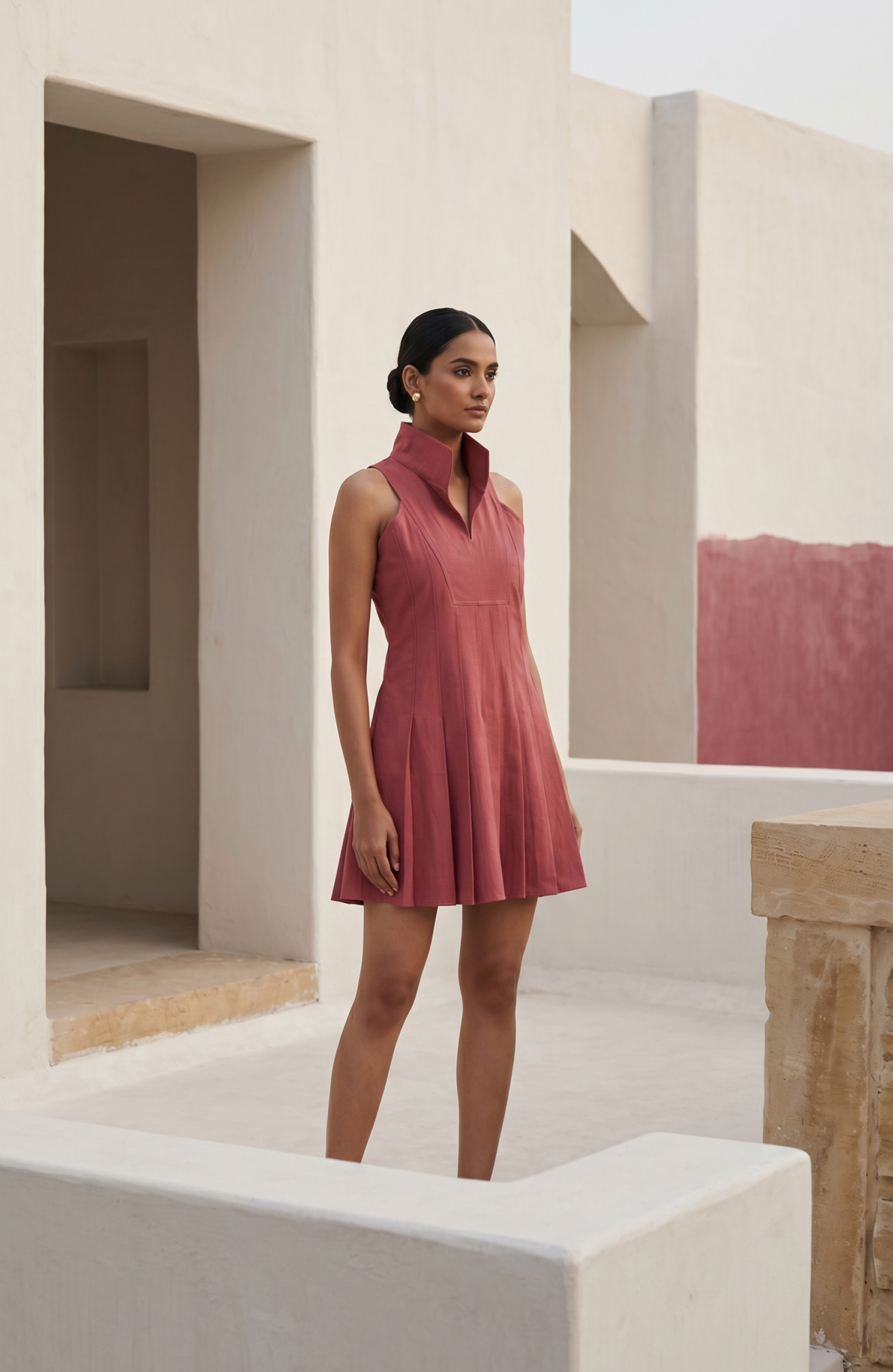
I designed an AI agent that reads a brand's website, product images, or moodboards and extracts the underlying visual DNA turning it into Tappable Styles and campaign briefs unique and exclusive to every brand.

These one-tap styles can be used to generate consistent on-brand imagery across multiple photoshoots, products and marketing collaterals.

Working

Inside the app, the user is invited to add information about their brand to get photos tailored to their aesthetic. Users may also request new styles to be created at any time. The Brand Vibe Agent works behind the scenes to do the following:

Examples of images
created by Brand Vibe Agent

Brand One

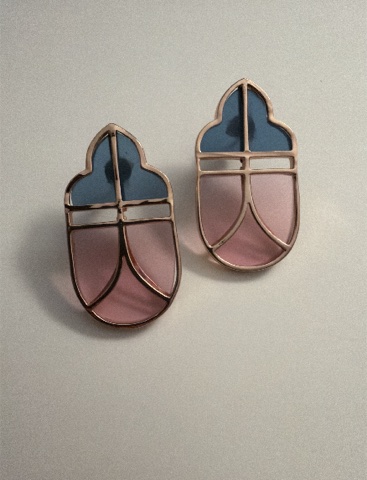
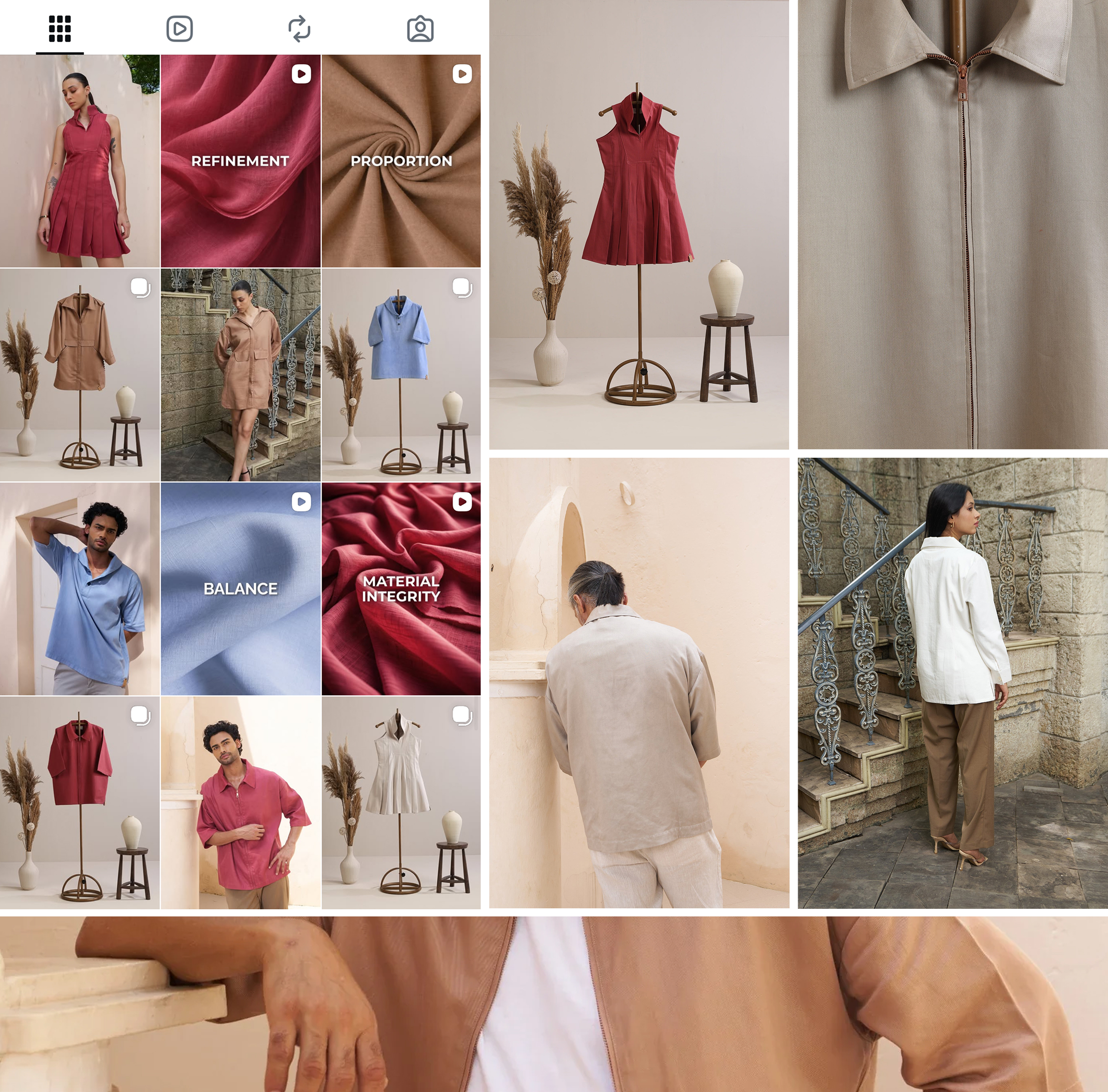
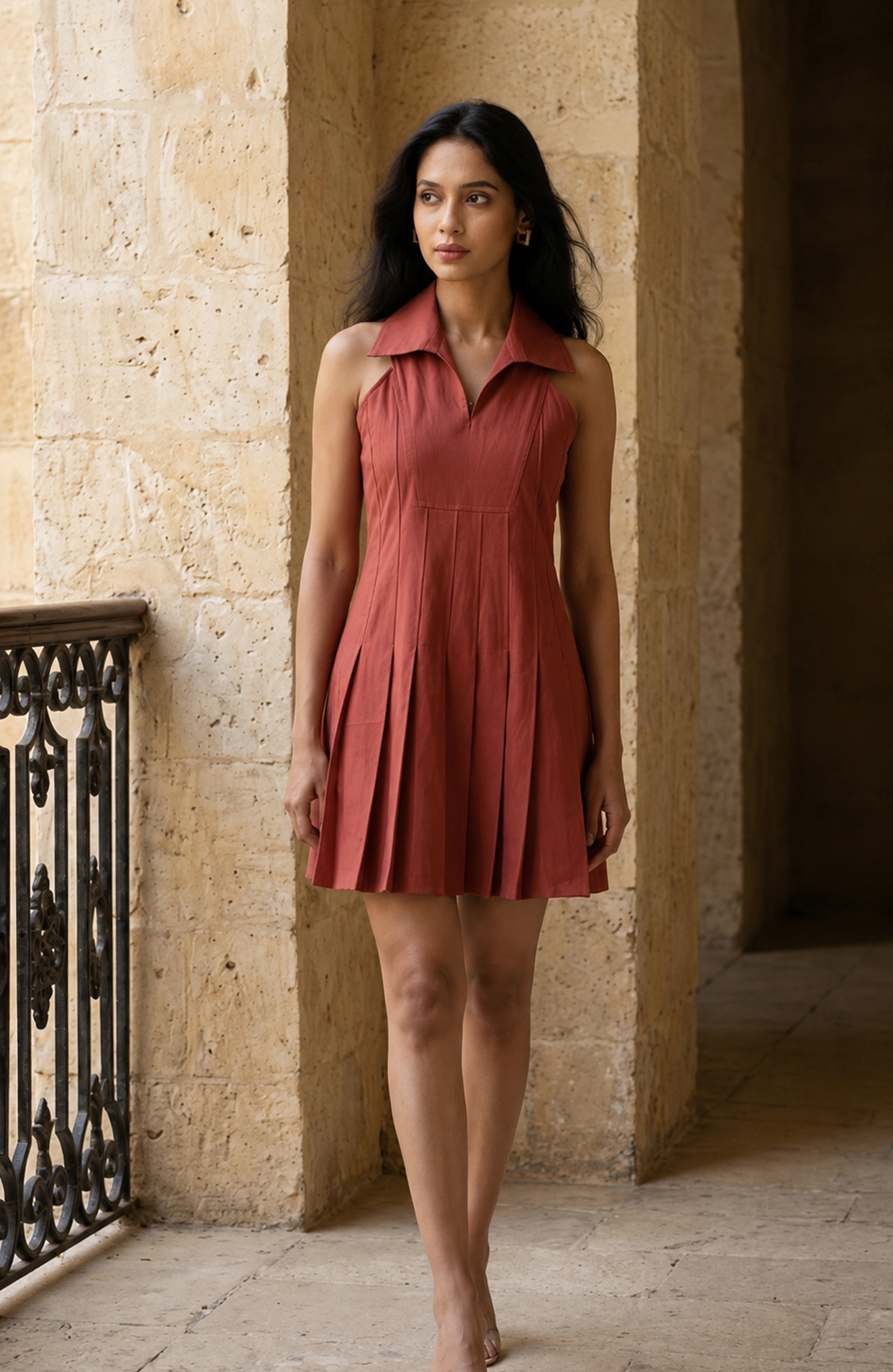
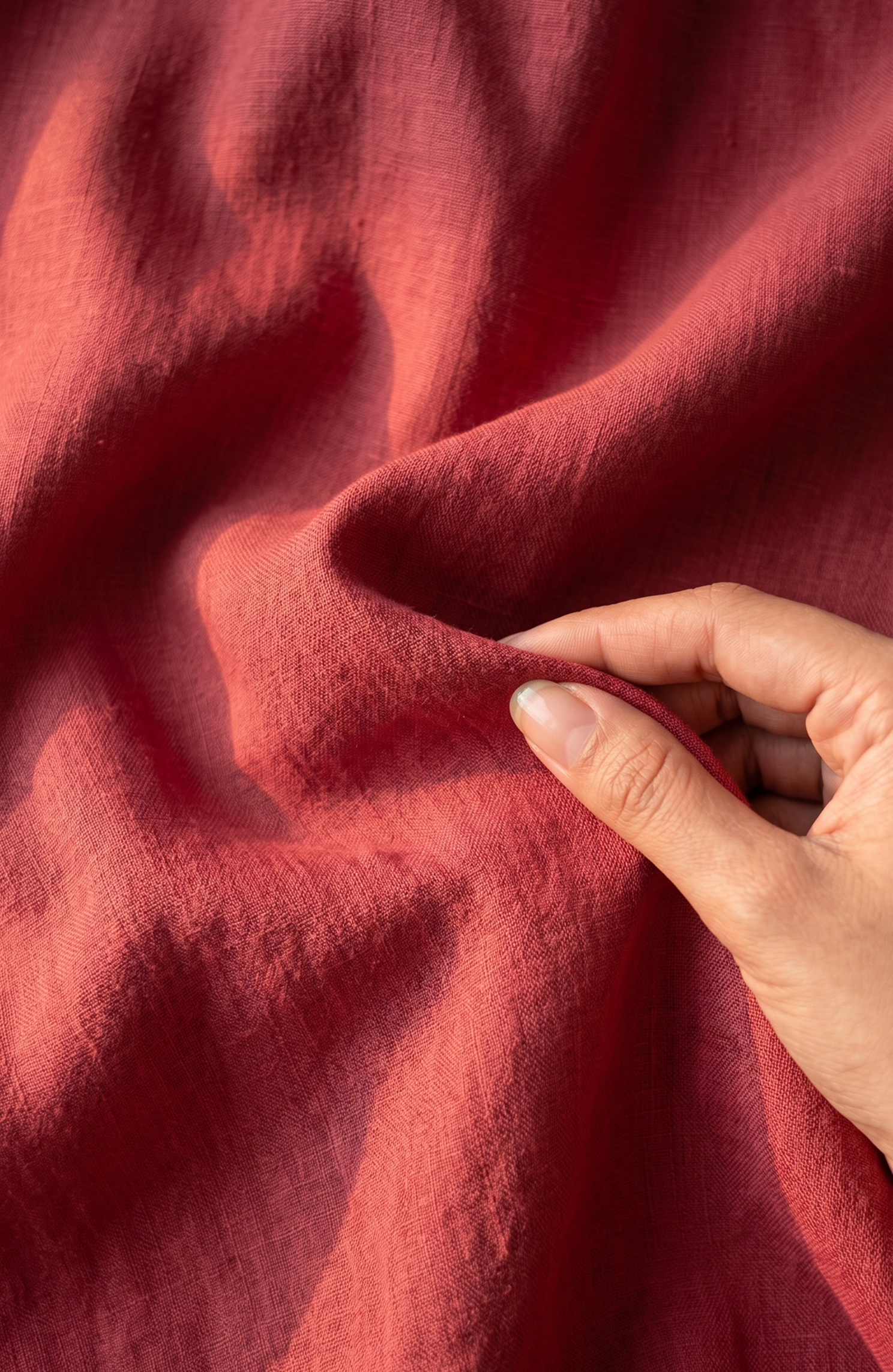
An eco-luxury womenswear and menswear brand that creates timeless, handmade garments from organic cotton with natural dyes, guided by the ethos of conscious elegance. Each considered silhouette sits at the intersection of refinement and restraint, designed to endure beyond seasons.

Scroll →

Brand's visual vocabulary

Visual vibe identified by the Brand Vibe Agent

IMAGES CREATED USING BRAND VIBE AGENT STYLES →

Brand Two

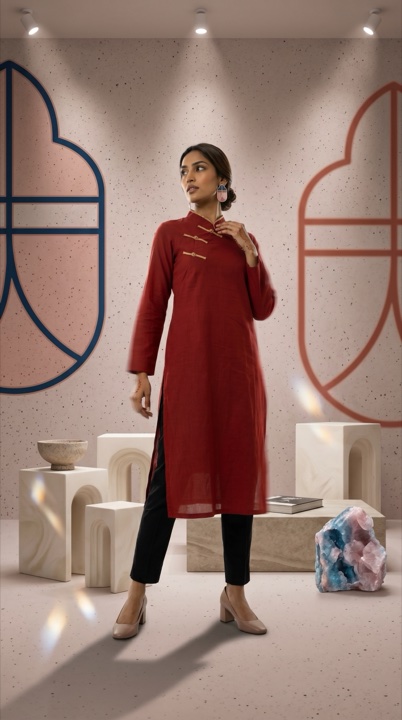
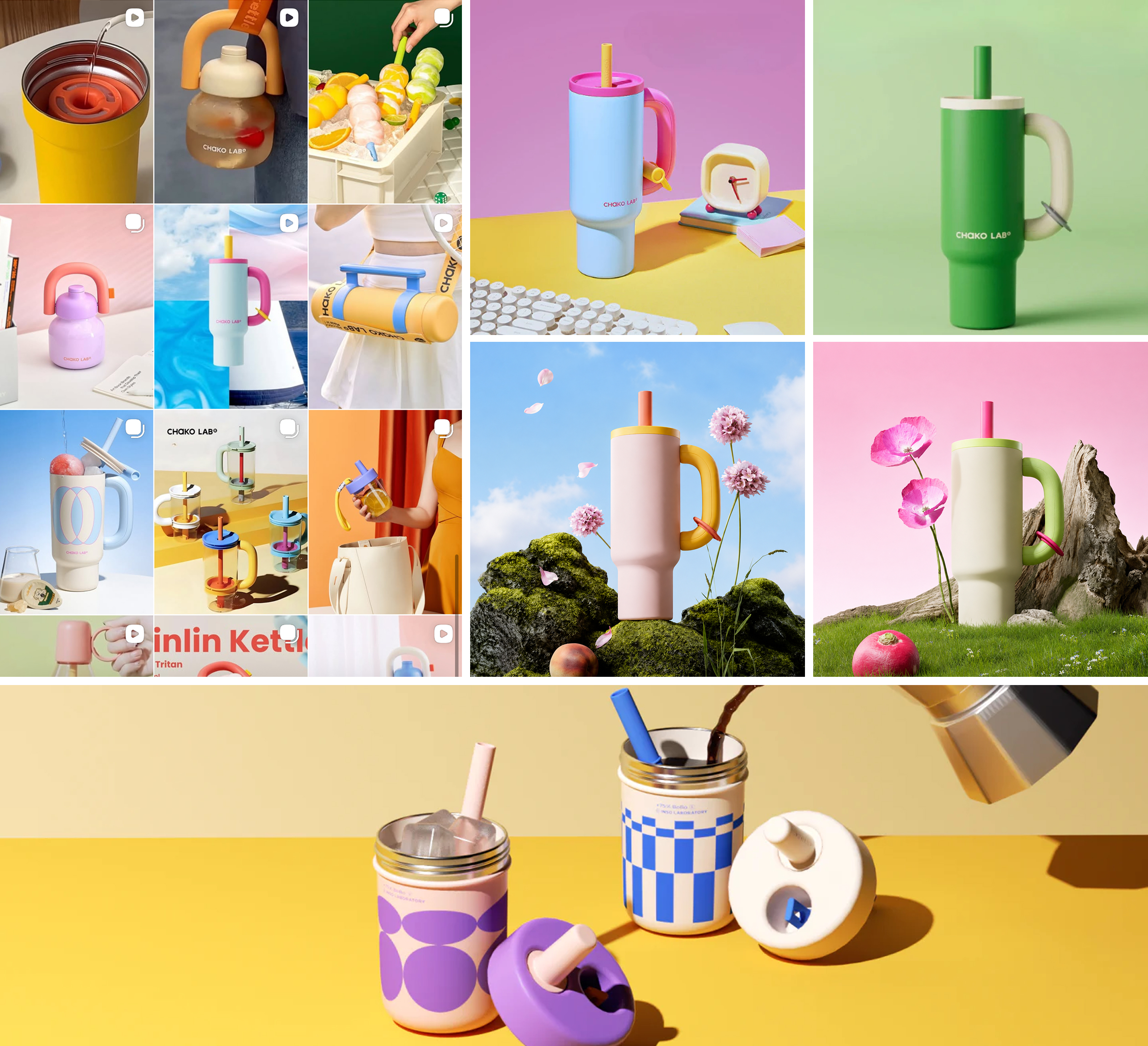
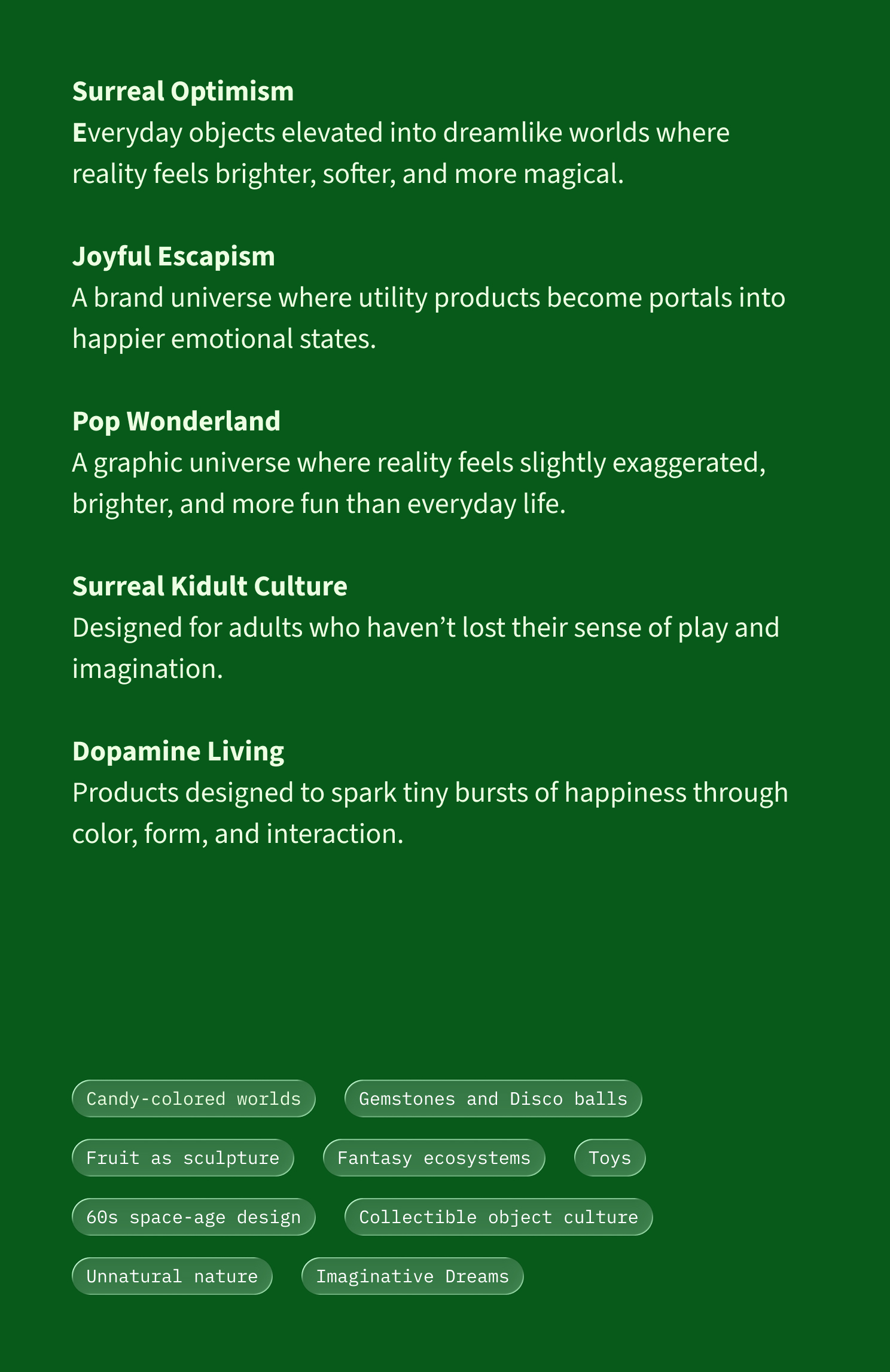
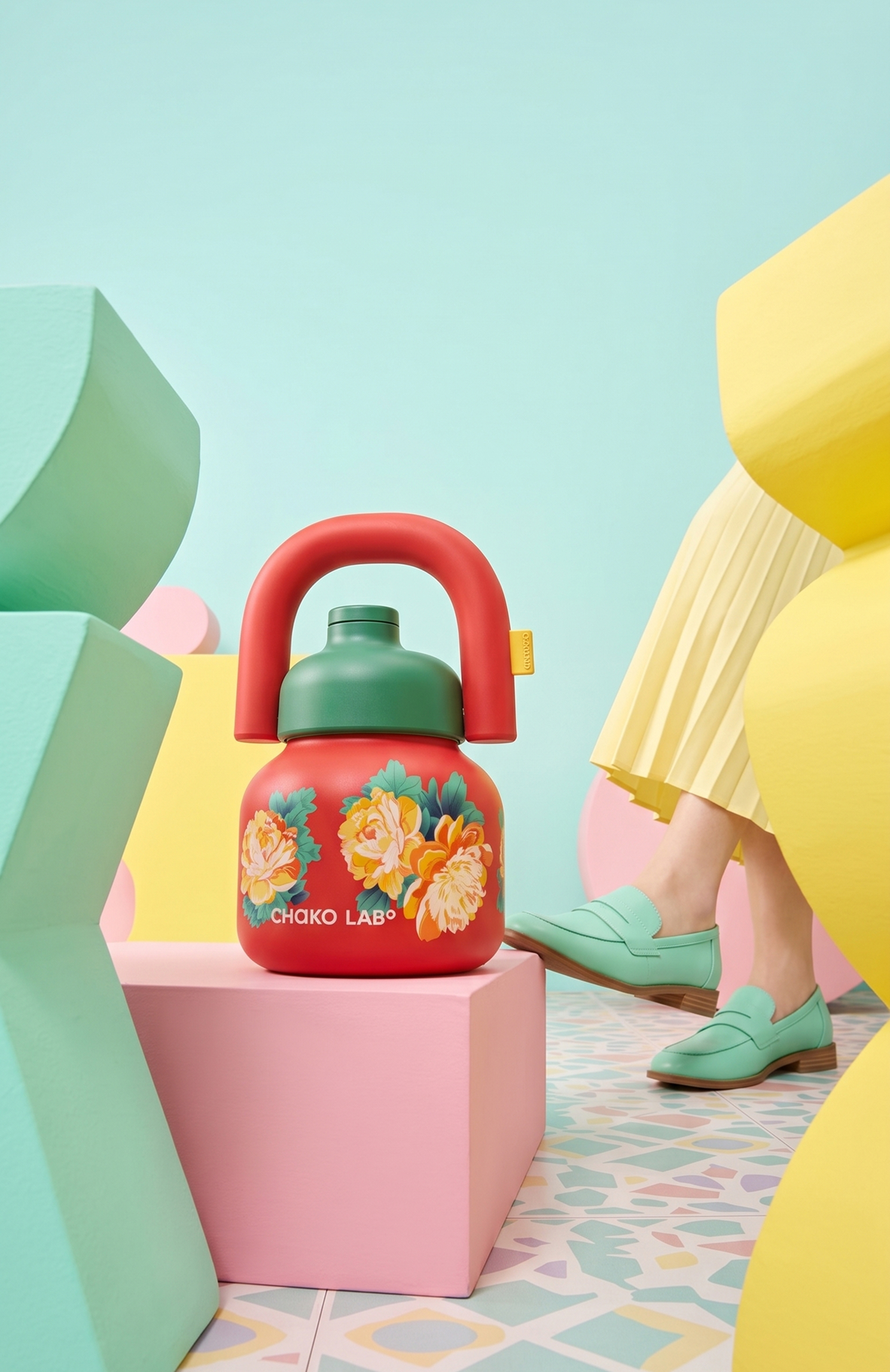
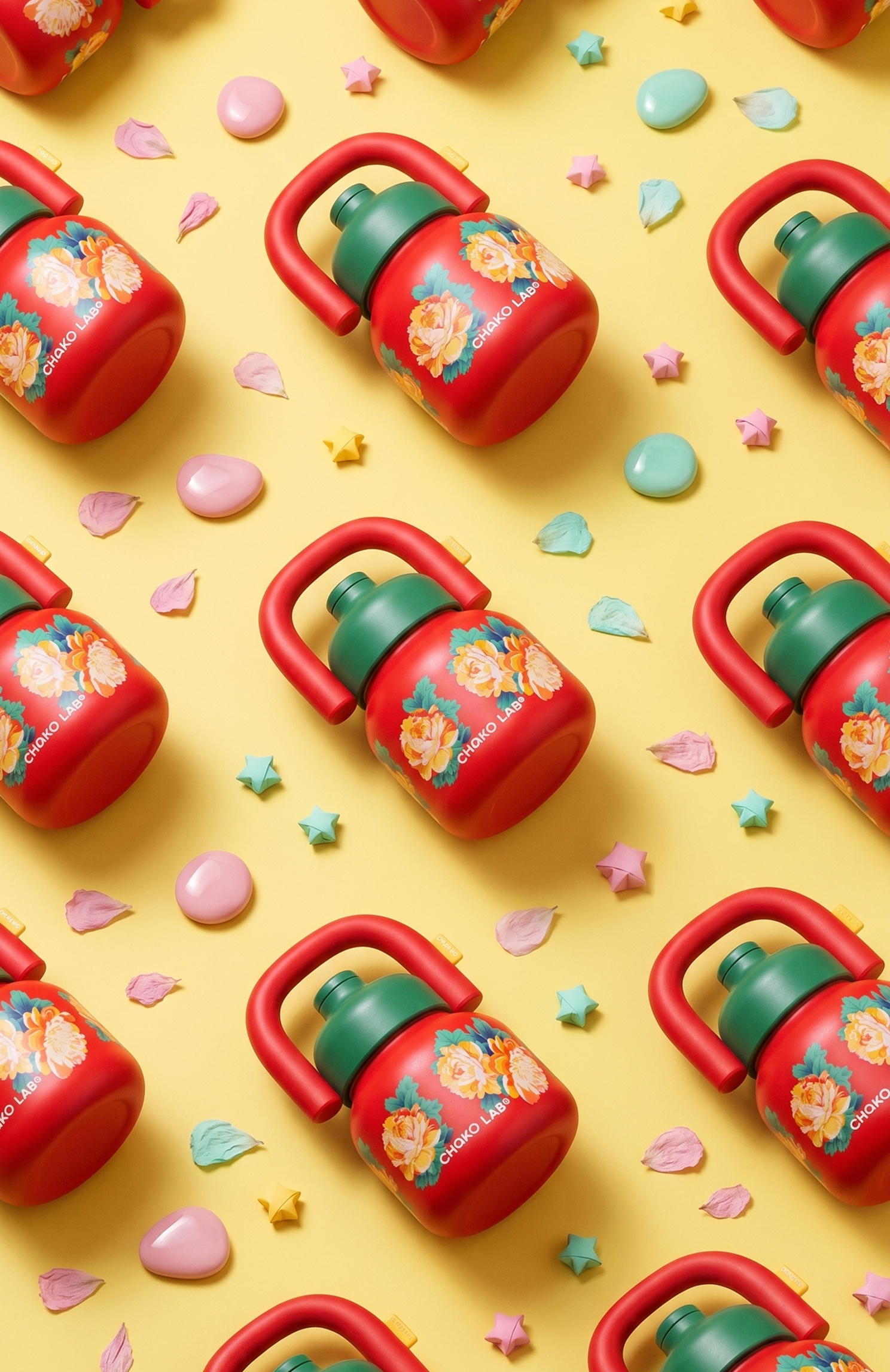
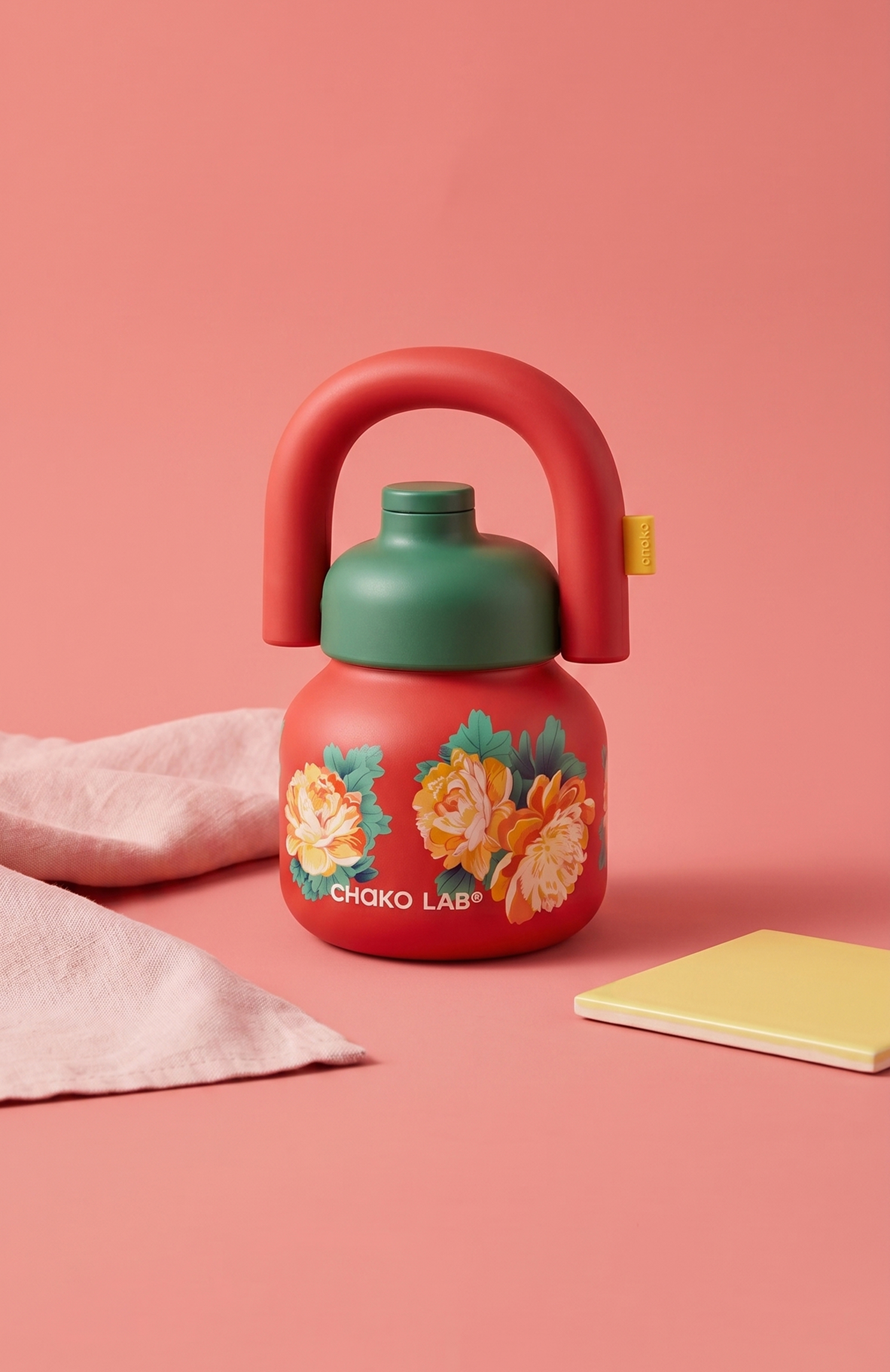
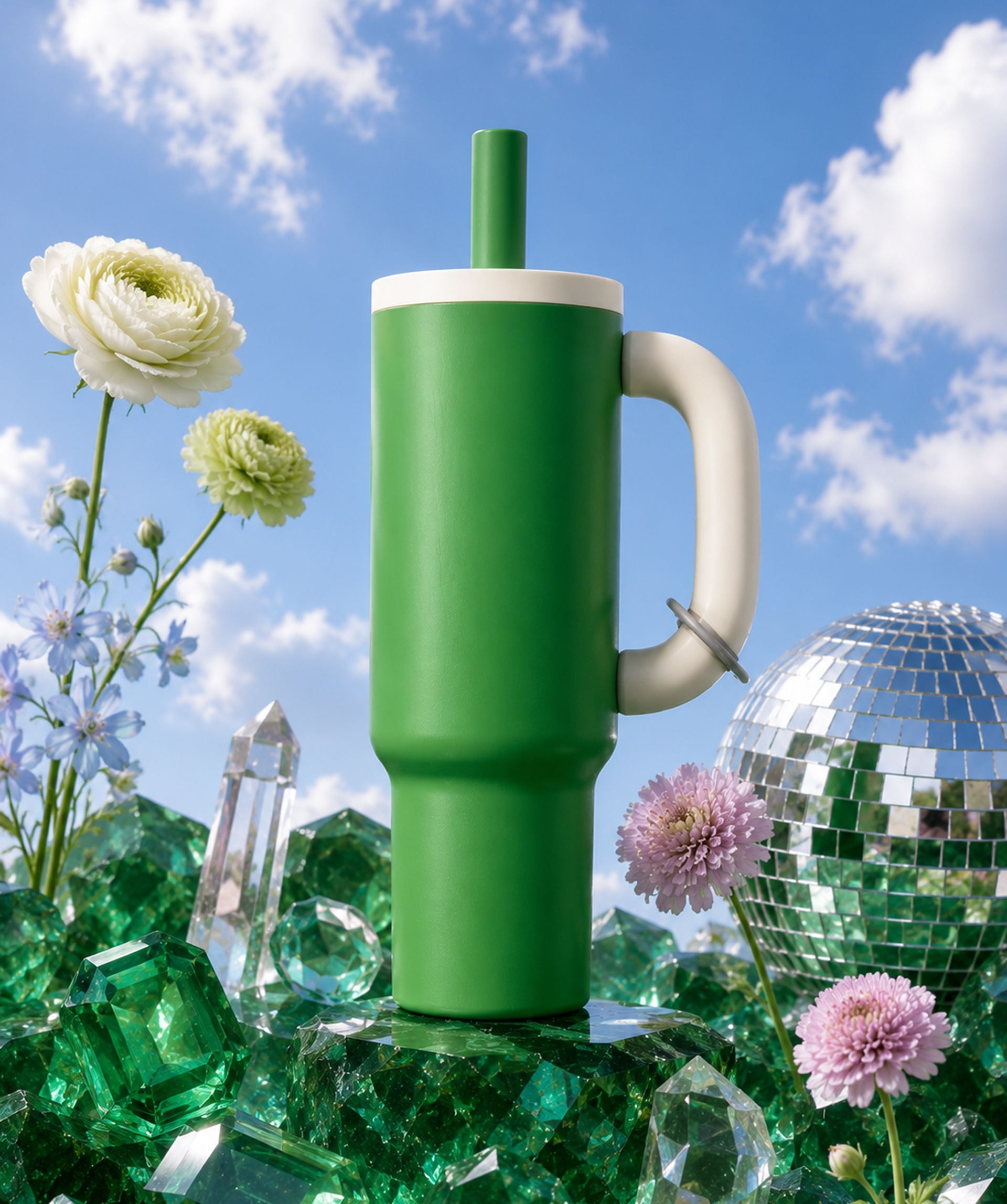
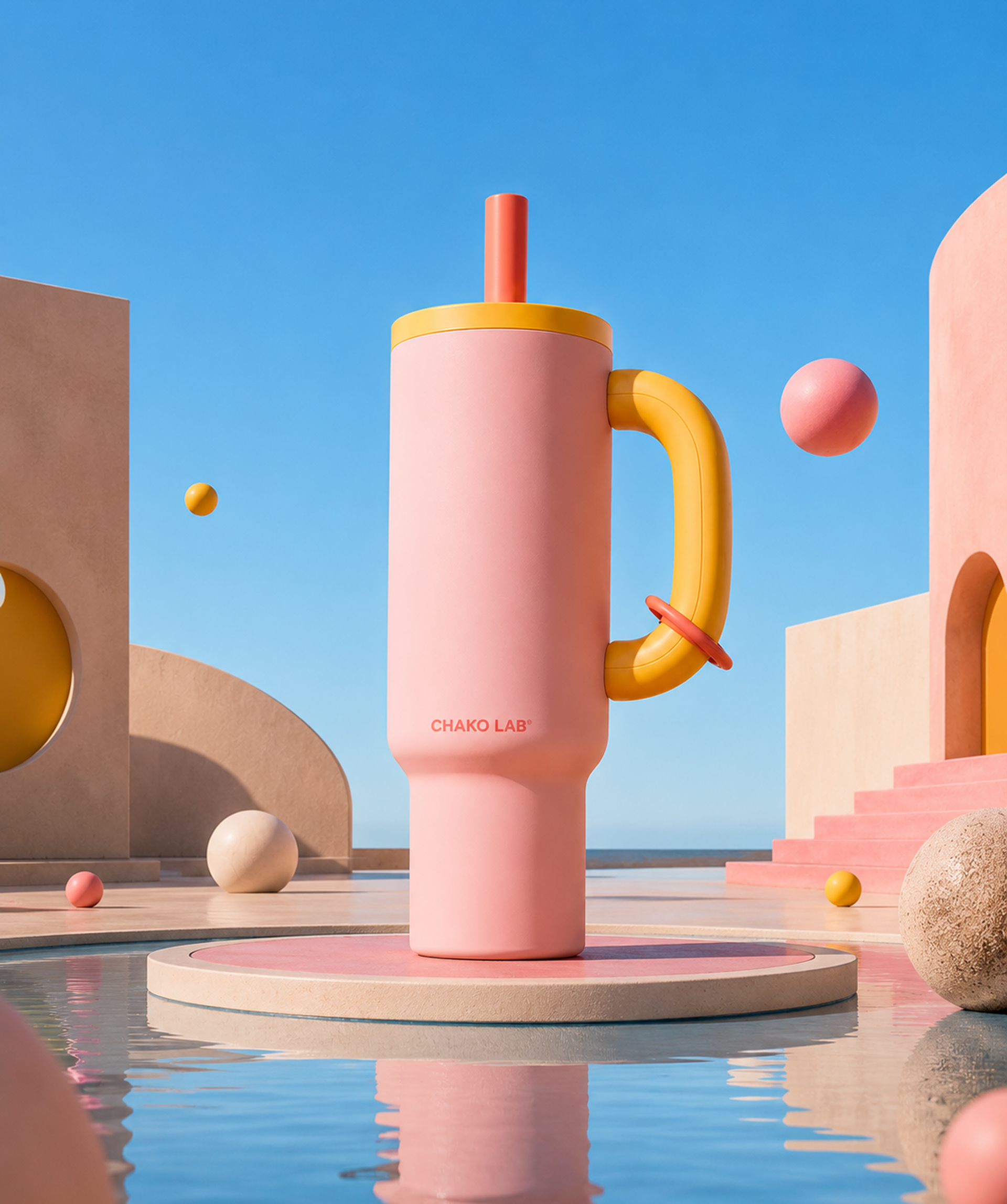
A designer drinkware brand making bold, color-blocked insulated tumblers, kettles, and cups that function as fashion accessories for urban Gen Z. Every product pairs a vibrant body color with a contrasting accent on the handle, lid, and straw ring turning hydration into self-expression.

Scroll →

Brand's visual vocabulary

Visual vibe identified by the Brand Vibe Agent

IMAGES CREATED USING BRAND VIBE AGENT STYLES →

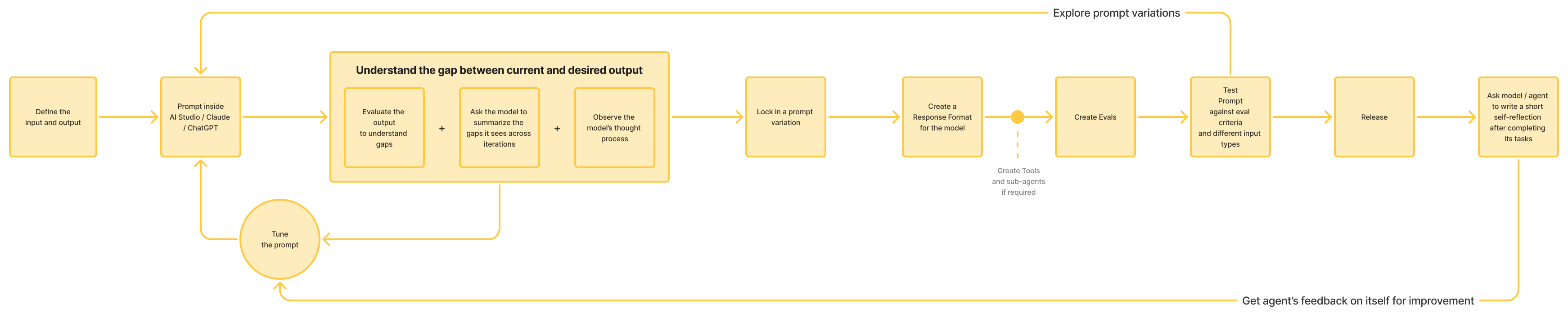
My agent design process

Starting with a regular chat session allows me to collaborate with the model to understand its thought process, and allows us both to reflect on how the prompt should evolve to produce the desired output. I also instruct the deployed agents to write a self-reflection after they finish a task. The key thing I ask it to include is a note on what tools or approach would've made it easier to perform that task, and what instructions acted as a hinderance. This allows me to continually improve the agent's prompts and tools.
Scroll →

AI agent process

Future vision

Download PhotoLotus on the iOS App Store